
Whither Nuclear Stability in the Age of Great-Power Contestation?
Introduction
Two of the hallmarks of nuclear weapons are that they cannot be defended against, and they are not useful for defense. These characteristics, coupled with the amount of destruction packaged into a single nuclear warhead, make nuclear wars unwinnable and, therefore, illogical. By the time all of this was realized, the U.S. and USSR had not only built thousands of nuclear weapons and their delivery vehicles but also come closer to a nuclear catastrophe. The construct of deterrence, undergirded, by mutual assured destruction (MAD) ,dominated the discourse during that period, which scholars describe as the First Nuclear Age. Nuclear stability, which in its broadest sense, refers to the continued avoidance of nuclear war and focus on strengthening deterrence, has, thus, been attributed to the fact that deterrence hasn’t failed yet. But can we be confident about the future of nuclear stability? This factsheet gives a rundown of the factors that have attenuated nuclear stability.
Mutual Vulnerability, Survivability, and Nuclear Stability
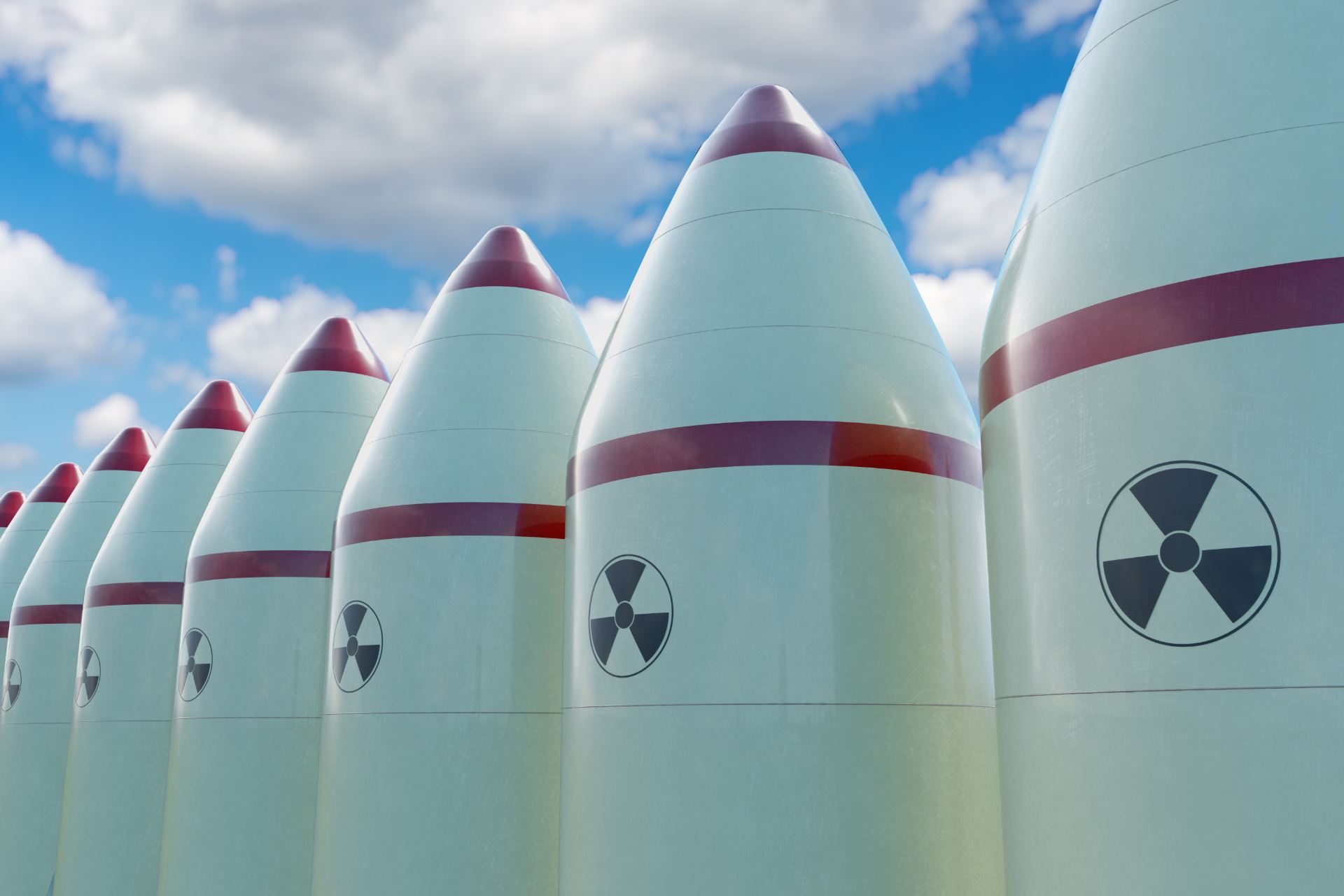
At the heart of nuclear stability and deterrence lie mutual vulnerability and ,among other things, survivable nuclear forces. The former refers to a state in which both sides are equally susceptible to being destroyed with nuclear weapons. This condition creates MAD and engenders deterrent effects, restraining actors from taking actions that they would have taken in the absence of nuclear weapons. For example, the U.S., despite its size and strength, cannot destroy a much weaker North Korea, not least because its big cities are equally vulnerable to a nuclear attack by the latter. In the South Asian context, it is important to mention that Lahore and Amritsar, two historic cities neighboring each other, are relatively safe because both Pakistan and India know that if one is hit, the other will be struck, too. This mutual vulnerability ,in theory, keeps both cities and countries safe. Nuclear stability would, in essence, mean that actors would avoid taking steps that could make nuclear use likelier. If any state’s nuclear forces are less survivable, nuclear stability becomes weaker. When nuclear forces are vulnerable, adversaries are incentivized to opt for counterforce and preemptive strikes.
The Counter-Revolutionaries
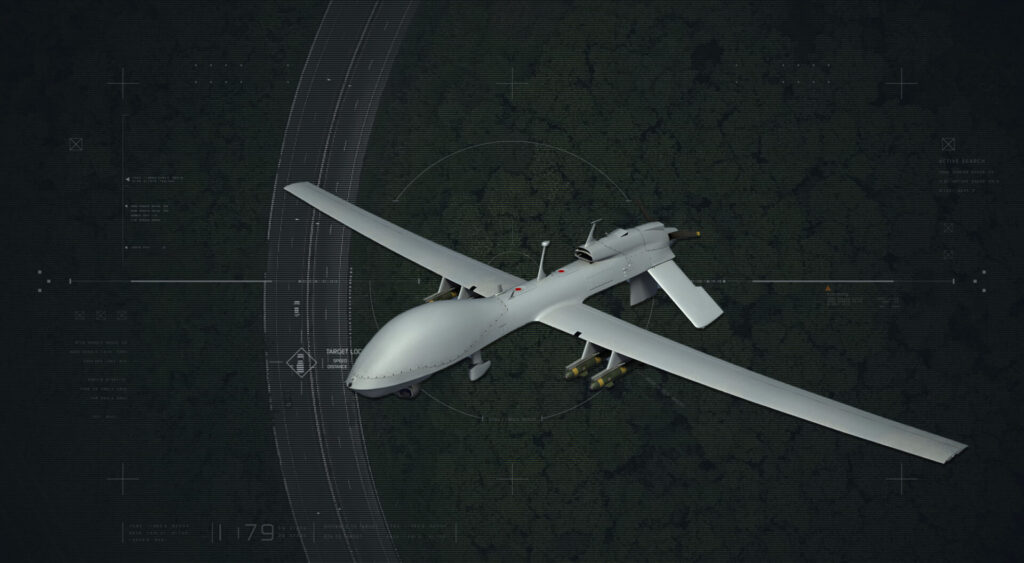
The theory of the nuclear revolution offers a simple yet powerful explanation of nuclear stability: mutual vulnerability, created due to the possession of secure second-strike capabilities, will obviate security dilemmas, reduce the likelihood of crises, and make international security less unstable. However, nuclear states’ behaviors have ,oftentimes, defied the theory, generating scholarly critique. While scholars agree that nuclear weapons have provided additional security to states, they have not necessarily satisfied them. If anything, nuclear possessors have tried to navigate the restrictions associated with mutual vulnerability, not least by assimilating lethal technologies in their force postures.
Some of the technologies and concepts that could recalibrate the balance of vulnerabilities, including by raising survivability-related concerns are as follows:
1. Advanced cyber capabilities that threaten to disrupt nuclear command-and-control (NC2)
2. Anti-Submarine Warfare that could detect and engage nuclear submarines, which are considered the most survivable leg of the triad
3. Counterspace capabilities that can destroy and disable space assets which provide crucial support to nuclear forces, including ballistic missiles
4. Advancements in ballistic, cruise, and hypersonic missiles that have made targeting more precise, making hardened silos unsafe
All of this is supplemented by the proliferation of drones, artificial intelligence, machine learning , and autonomous weapons. This set of technologies is making both detection and targeting of nuclear forces a lot more easy. Nuclear and conventional modernization programs, coupled with, and supported by, the growing salience of emerging and disruptive technologies (EDTs), are increasing nuclear risks. This is primarily because of two reasons:
1. They are adding to a state’s coercive toolkit.
2. They are thickening the fog of war.
Use of Force and Escalatory Risks
One of the central aspects of today’s global security landscape is the return of the use of force as a preferred instrument of policy. This is evidenced by the growing frequency of armed conflicts. More menacingly, these conflicts were fought between states and in nuclear environments, with still raging.
Over the past five years, the following state-to-state military conflicts have erupted:
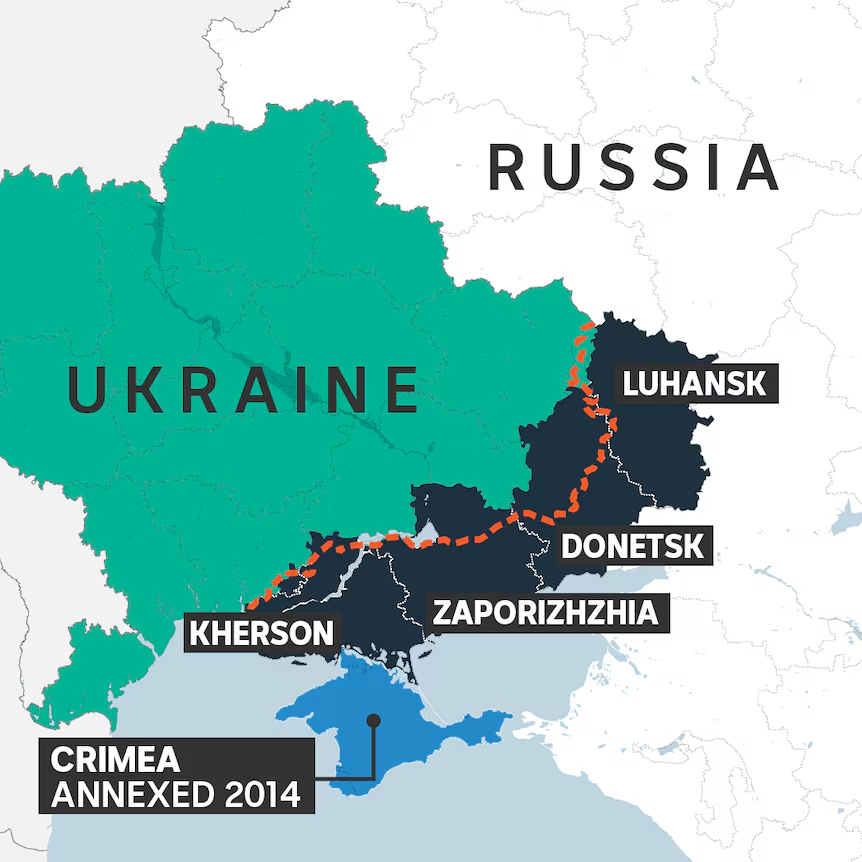
The Russia-Ukraine war (2022-ongoing)
involves two nuclear states in Russia and the United States, with the latter providing military, logistical, and intelligence aid to Ukraine. It has also witnessed nuclear jingoism and threats from Russia. They have been directed towards Ukraine, the United States, and the North Atlantic Treaty Organization (NATO).
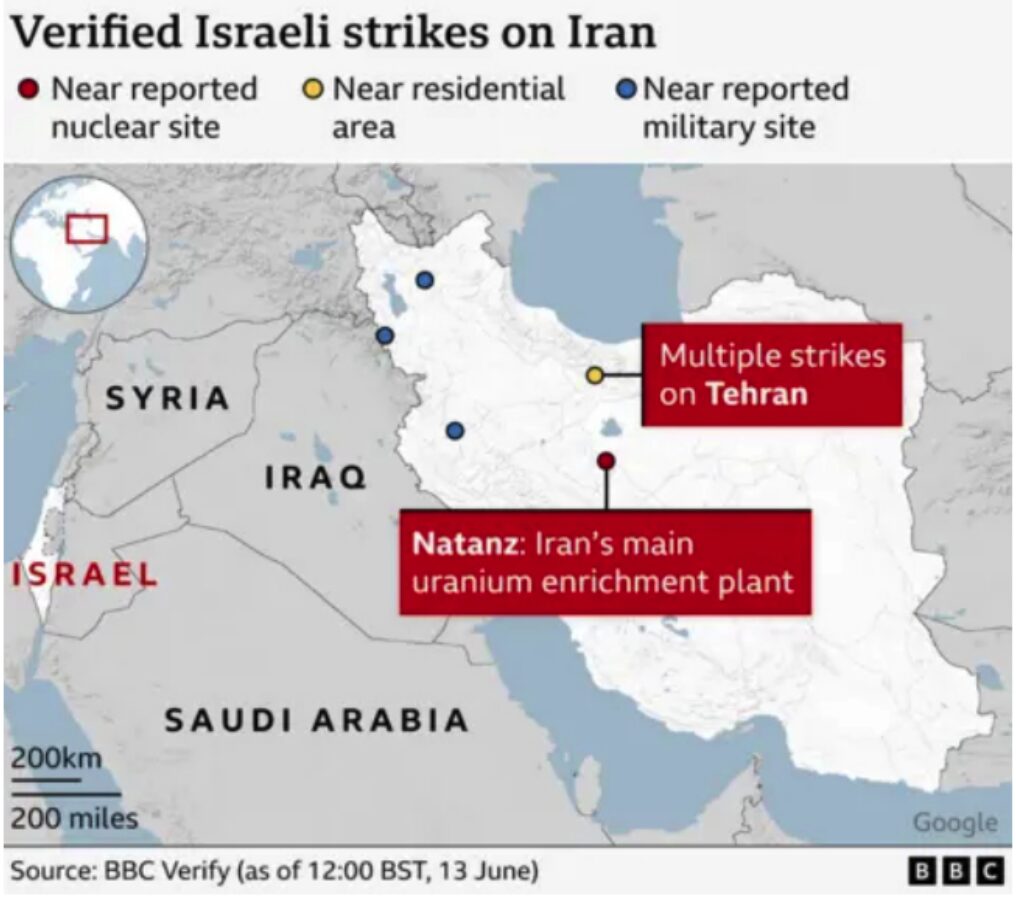
The Iran-Israel conflict (2024 and 2025)
has highlighted three things. First, the mere possession of nuclear weapons may not necessarily deter non-nuclear states. Second, ballistic missile defenses cannot intercept all incoming missiles. Third, ballistic missiles armed with conventional warheads do not generate the desired coercive effects.
The Post-Pahalgam Indo-Pak crisis (May 2025)
remains the most dangerous of the recent conflicts. There are a number of reasons why this is the case. First, both India and Pakistan are nuclear-armed adversaries and neighbors, leaving little space and time for miscalculation. Third, both sides used missiles, aircraft, rockets, drones, and cyber weapons to target major cities and military installations, marking a breach of major thresholds and focal points.
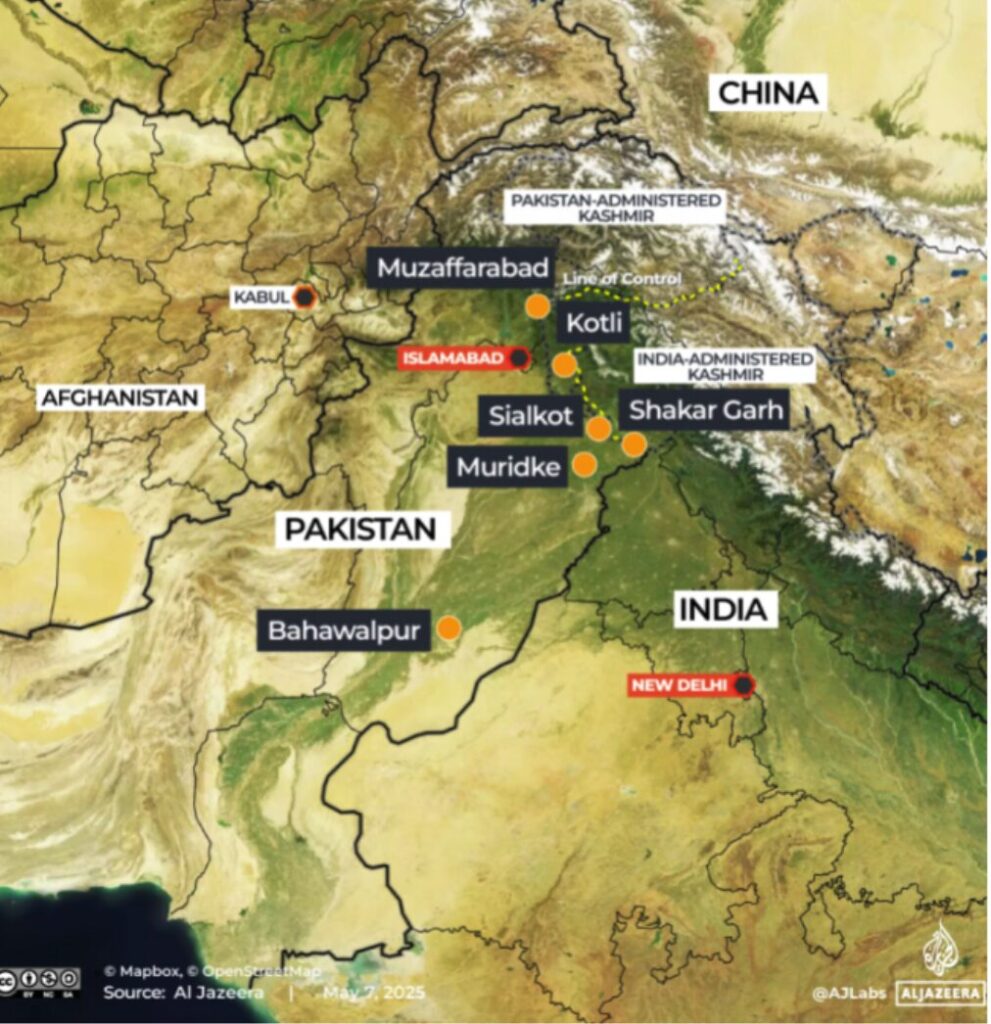
In addition to these crises, India and China, two nuclear-armed neighbors, also engaged in border skirmishes in Eastern Ladakh. Given that tensions remained localized and purely tactical, they did not carry any direct nuclear risks. That being said, a military standoff between nuclear adversaries can lead to uncertain outcomes.
These crises have one thing in common: states’ proclivity to coerce each other through the use of force, rather than engage in diplomacy. This, coupled with ideas and concepts surrounding victory, increases the likelihood of crises.
Leadership, South Asia, and Nuclear Stability
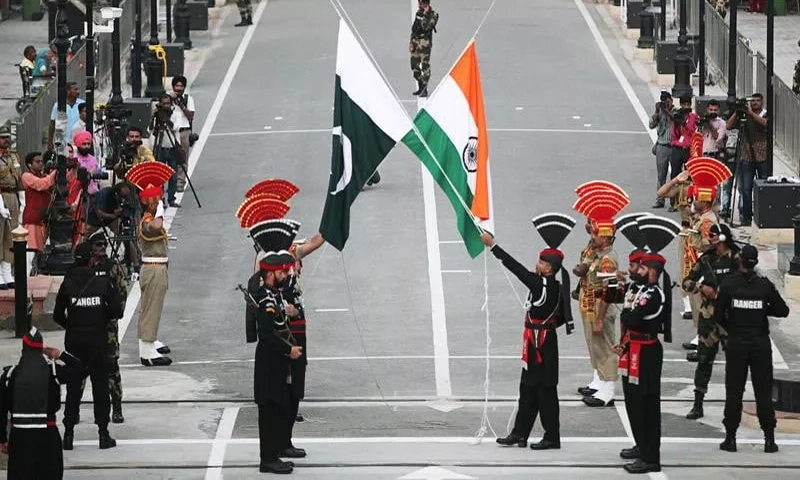
The advent of AI and other technologies has enhanced the importance of responsible stewardship of nuclear weapons and its delivery vehicles. Therefore, a leader’s approaches to, and ideas about, war and peace have an effect on nuclear policy. Leaders that think that bellicosity and brinkmanship can help them achieve their strategic objectives, nuclear risks will increase. On the contrary, if they understand the inherent dangers of seeing nuclear weapons as useful for purposes other than deterrence, including warfighting, nuclear saber-rattling would increase. Moreover, to maintain nuclear stability, it is important that leaders of all warring parties understand shared risks. The Cuban Missile Crisis serves as an apt example. This is simply because both the United States and the Soviet Union came back from the brink because both John F. Kennedy and Nikita Khrushchev realized full well the mutual destruction that nuclear weapons could cause.
Today, from South Asia to Northeast Asia to the Middle East to Europe, leaders have increasingly become risk-acceptant. For example, in South Asia, the Indian leadership, especially since 2014, has given inflammatory statements against Pakistan. The rhetoric has centered on dismissing the deterrent value of Pakistan’s nuclear weapons, giving a befitting response to Pakistan, and capturing territory. Such incendiary remarks have, time and again, been followed by belligerent actions. Some of those are listed below:
1. Airstrikes on mainland Pakistan on February 26, 2019, making India the most nuclear-armed state to attack a sovereign territory of another nuclear-armed state
2. Threats to launch missile strikes on six Pakistani cities
3. Air, missile, and drone strikes on 13 Pakistani cities, including the capital
While escalation up the ladder was averted due to timely U.S. mediation, the environment is far from stable. India’s post-crisis narrative-building effort aims to present the country as an unhurt, absolute victor of the 87-hour episode. In doing so, it seeks to deny Pakistan’s agency. More worryingly, by vociferously and repeatedly repudiating Washington’s go-between role, New Delhi is trying to tell the world that it can enter and exit a crisis on its own terms. This thinking, which portrays another nuclear-armed state as a passive actor, could create a false sense of security, and lead to miscalculations and recklessness.
Although nuclear deterrence remains intact and forced the U.S. to intervene, the scale of violence below the nuclear threshold does not inspire enough confidence in the future. The Indian leadership has said that it won’t exercise restraint going forward. So, in a future crisis, unrestrained use of force, absence of bilateral crisis management mechanisms, and technological advancements will make escalation more unpredictable and uncontrollable. Given South Asia’s geographic peculiarities, all of this will be really bad news.
This necessitates taking confidence-building measures (CBMs) that promote restraint. Absent that, the risks of miscalculations ,as well as inadvertent and accidental escalation between the two countries will exacerbate. CBMs will act as a precursor to more substantive arms control and nuclear risk reduction measures in other regions and between other dyads, too. China and the U.S., for example, need to engage in a wide-ranging nuclear dialogue, which must address all issues, including the former’s nuclear modernization.
Deterrence works until it doesn’t, and therefore, deterrence failure can never be ruled out. To avoid that, human prudence and sagacity, not luck, are required. Today, nuclear stability is becoming weaker because those that are controlling nuclear weapons are trying to leverage them for purposes they cannot achieve.