Reviving Arms Control in a Divided World
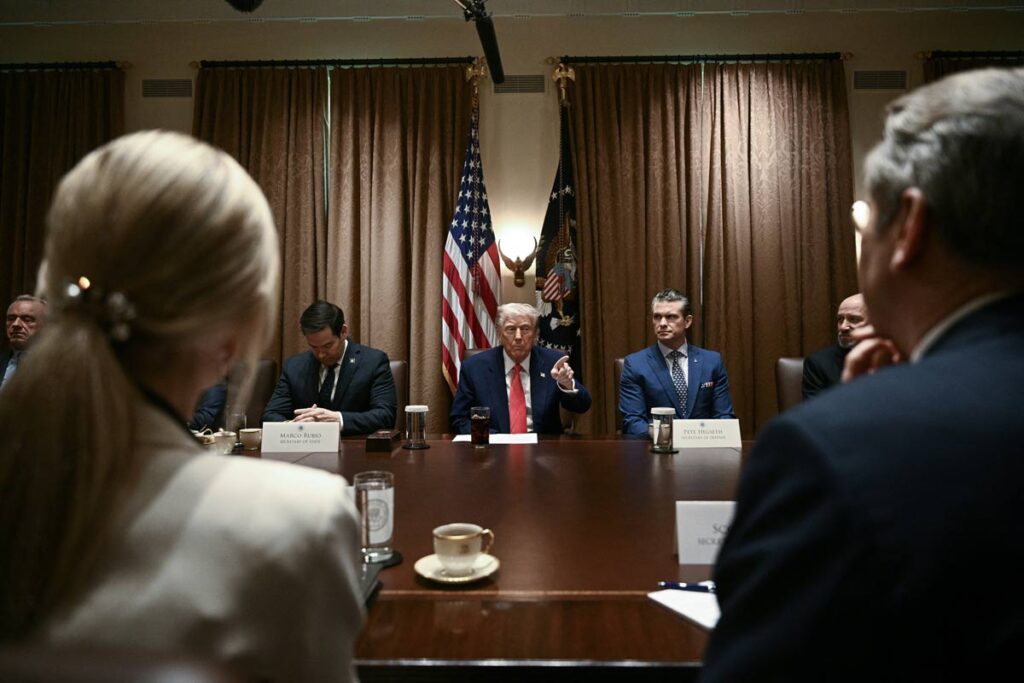
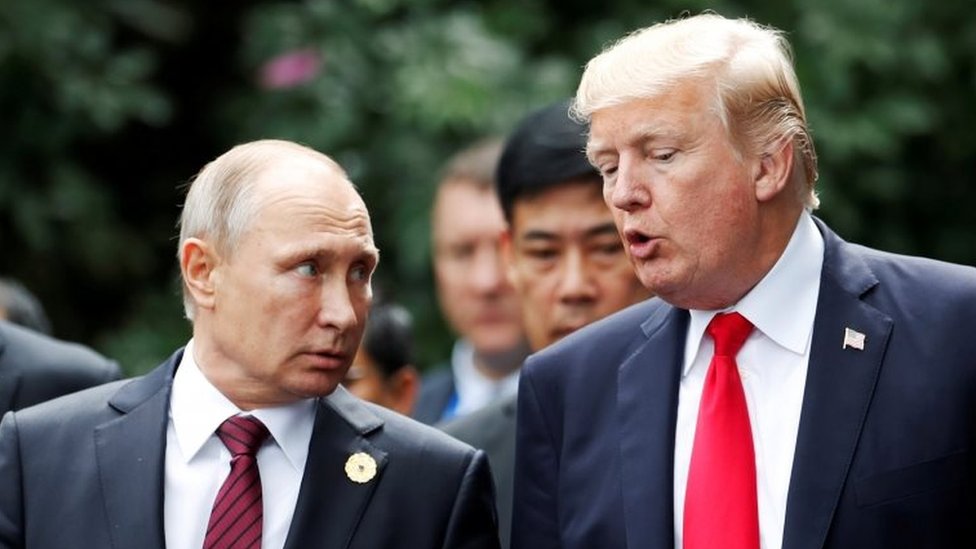
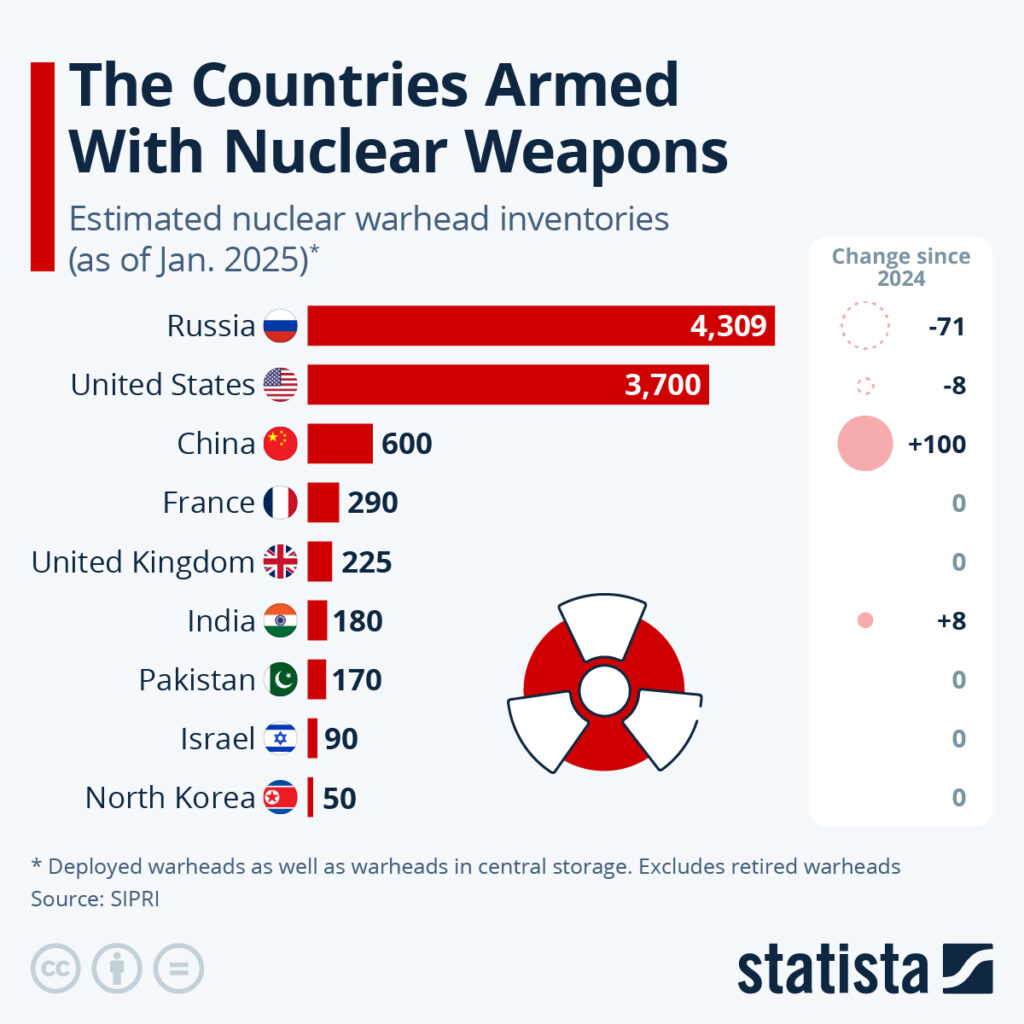
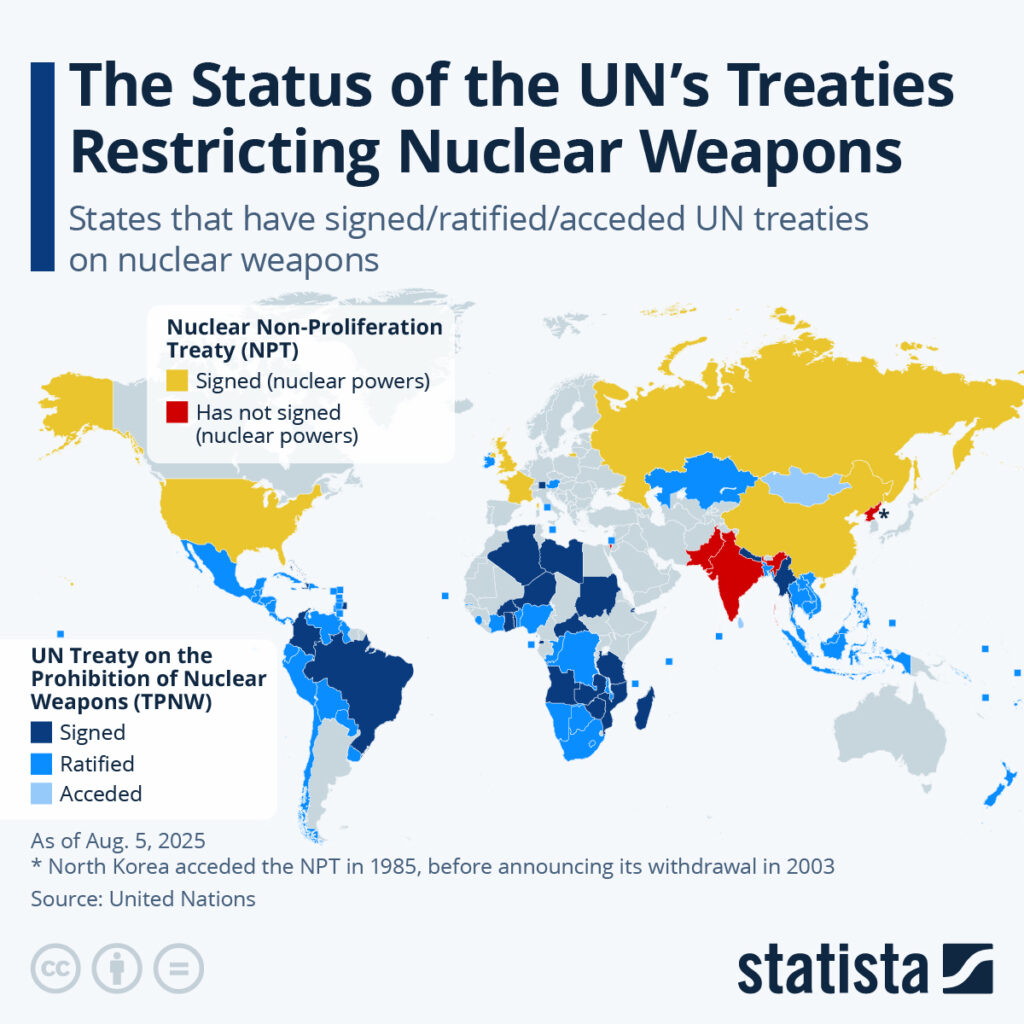
U.S. President Donald Trump’s recent statements on the resumption of nuclear testing have increased skepticism over the erosion of the near-universal norm against hot tests. Given that the U.S. has not yet ratified the Comprehensive Nuclear-Test-Ban Treaty (CTBT), remarks like this do not augur well for global security. This is primarily because Russia has already de-ratified the CTBT, signaling that it would continue to achieve parity with the U.S. Therefore, if the U.S. were to resume nuclear testing, it would create a domino effect, pushing other nuclear states, including India and Pakistan, to follow suit.
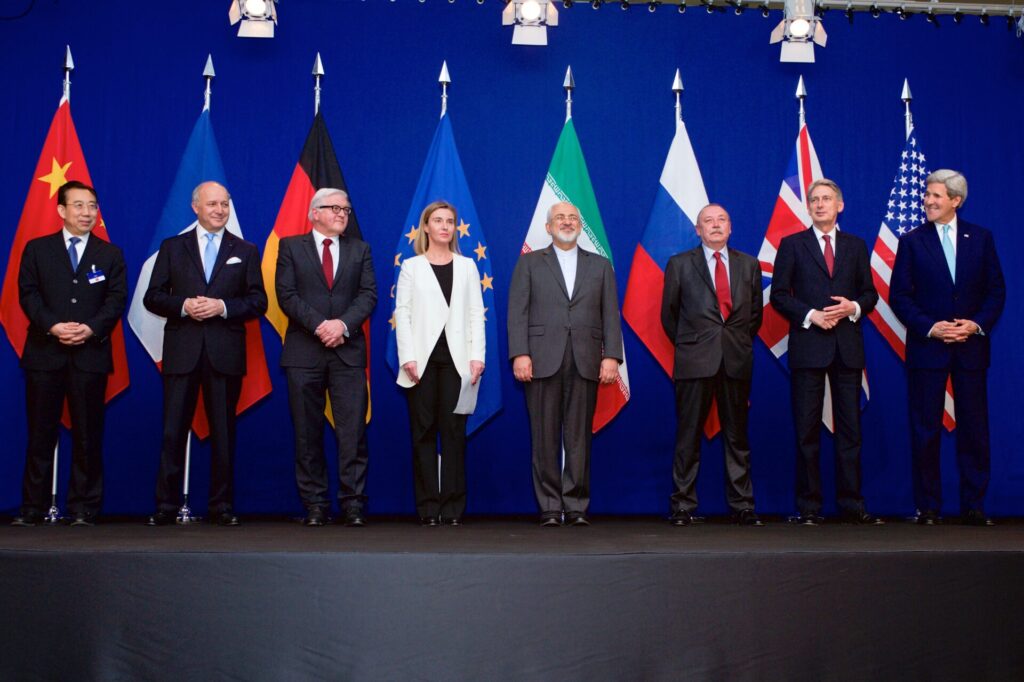
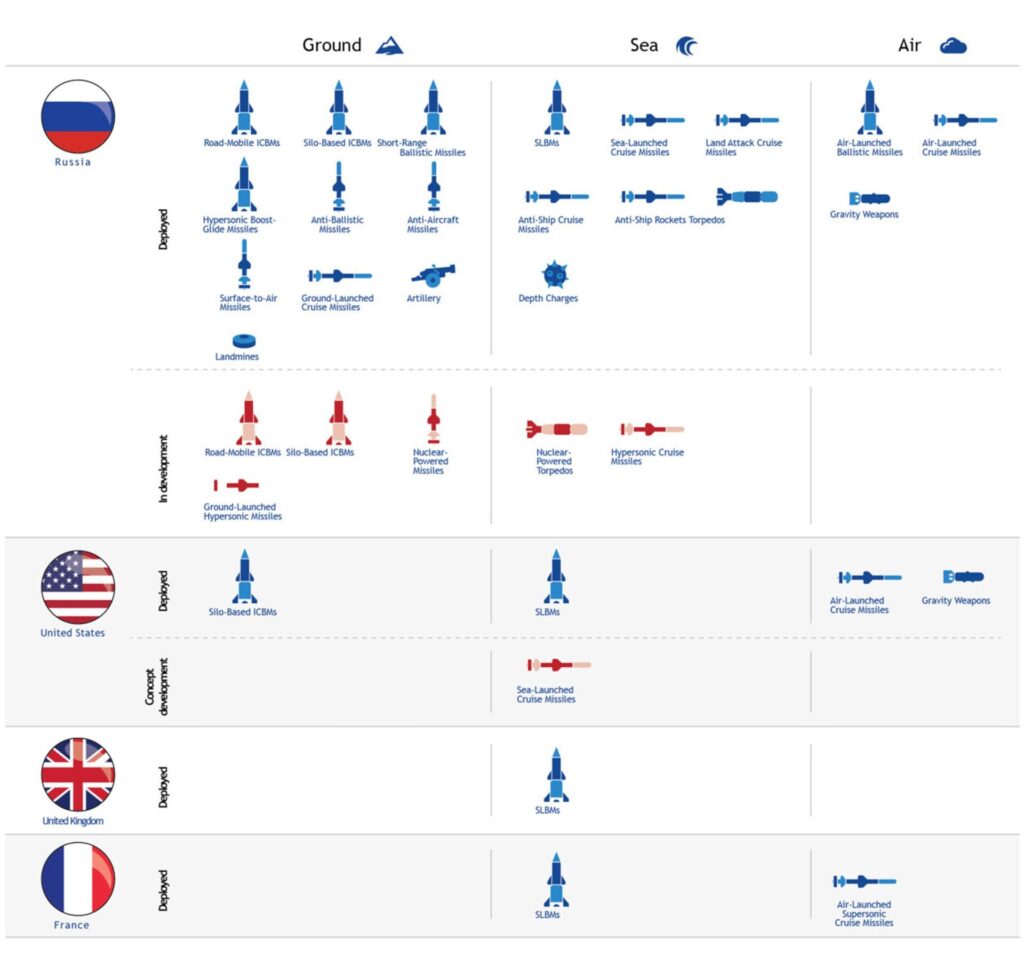
Concerns over nuclear testing are valid for a variety of reasons. First, the arms control architecture, established as a result of political foresight and will during the height of the Cold War, has all but disintegrated. Hence, nuclear testing could engender more fears and distrust. Second, testing is perceived to be useful for propelling nuclear modernization efforts. Third, Trump has been instrumental in harming arms control. The result of all of this will likely be an intensification of arms racing among great powers. In the absence of dialogue, this would increase the prospect of inadvertent and accidental escalation and, by extension, nuclear use.
Laying emphasis on the erosion of arms control measures and norms, including that of non-testing, is important because both constructs help create a semblance of arms race stability, or the absence of incentives to build up one’s forces. Arms control builds confidence and reduces misperceptions among adversaries, augmenting both deterrence and security. While it cannot be a substitute for disarmament, it can help allay some fears in the interim. Fortunately, Ronald Reagan and Mikhail Gorbachev, leading the U.S. and USSR in the 1980s, respectively, realized all of this full well.