
AI, Autonomy, and the Transformation of Warfare
Artificial intelligence is not a single weapon, platform, or gadget. It is a general purpose technology that can plug into almost every part of military activity. Some analyses compare its role to earlier breakthroughs such as electricity or the internal combustion engine, because AI has the potential to reshape how armed forces fight, plan, and operate rather than simply adding a new category of equipment. It is already present in areas as diverse as data analysis, logistics, targeting support, and autonomous platforms, and its influence is likely to grow.
Modern conflicts show why this matters. Contemporary battlefields generate enormous volumes of data from sensors, drones, satellites, and dense communications networks. Human staffs struggle to interpret all of this information in real time. AI systems, by contrast, can sift through massive data streams, detect patterns, and turn raw feeds into usable insight. This changes how quickly militaries can detect threats, predict developments, and respond.
At the same time, AI links closely with advances in robotics and automation. Machines can increasingly perform tasks that previously required human presence, especially in dangerous or demanding environments. This reduces risks to personnel, expands operational endurance, and makes it easier to rely on large numbers of relatively inexpensive platforms rather than small fleets of costly, highly specialised systems.
This factsheet outlines what AI and autonomy mean in military terms, why states are investing in them, how they are transforming operations across warfighting domains, and what global trends are emerging. It sets the stage for a second factsheet that will focus on risks, strategic stability, and arms control
What AI and Autonomy Mean for Armed Conflict
In military practice, AI first and foremost refers to systems that help process information and support decisions. Rather than acting as independent agents that replace human judgement, most current concepts treat AI as an assistant that can work through tasks humans find difficult at scale and speed.
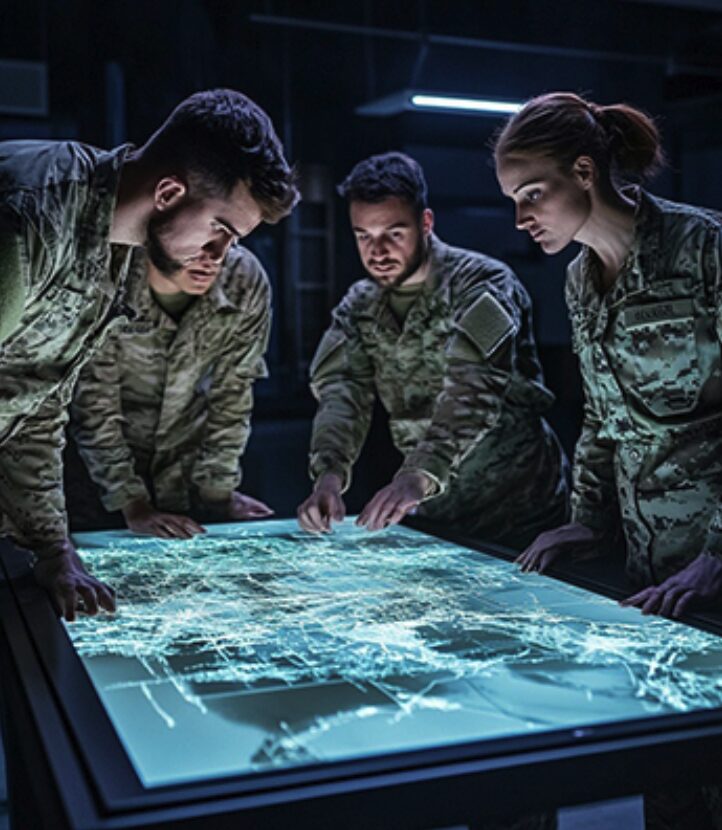
One important function is AI enabled decision support. Modern operations involve tracking large numbers of units, monitoring multiple regions at once, and responding to rapidly changing threats. AI can filter sensors and communications data, highlight unusual patterns, and present commanders with a clearer picture of what is happening. It can flag anomalies that merit attention, cue human analysts to likely targets, and help predict the movement of forces or equipment. The result is earlier warning, faster identification of objects of interest, and a more coherent understanding of a chaotic battlespace.
A second function is the management of complexity. Coordinating many units under tight time pressure is difficult even for highly trained staffs. AI systems can assist with synchronising operations across land, air, maritime, cyber, and space environments, helping to deconflict flight paths, manage airspace crowded with crewed and uncrewed aircraft, and organise the movement of large formations. This opens the door to concepts that rely less on a handful of exquisite high end systems and more on large numbers of cheaper, “good enough” platforms that work together.
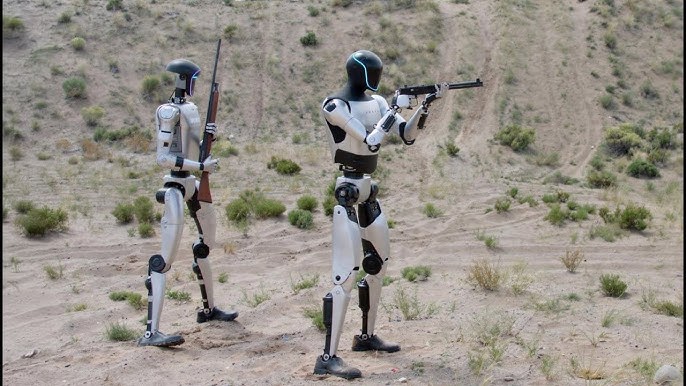
Autonomy becomes central once AI is paired with robotics. An autonomous system is one that can perform tasks on the basis of programmed goals and sensor inputs, without continuous direction from a human operator. In military settings, this can involve piloting vehicles on long endurance missions, clearing obstacles, conducting reconnaissance, or moving supplies through contested terrain. Machines can operate for longer hours than human crews, tolerate higher levels of risk, and cope better with monotony or fatigue.
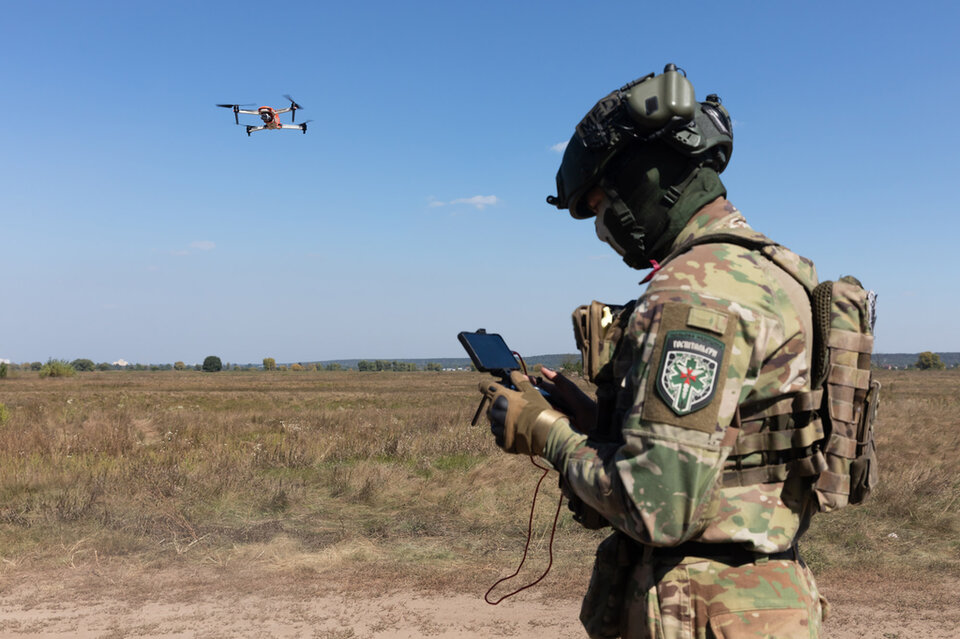
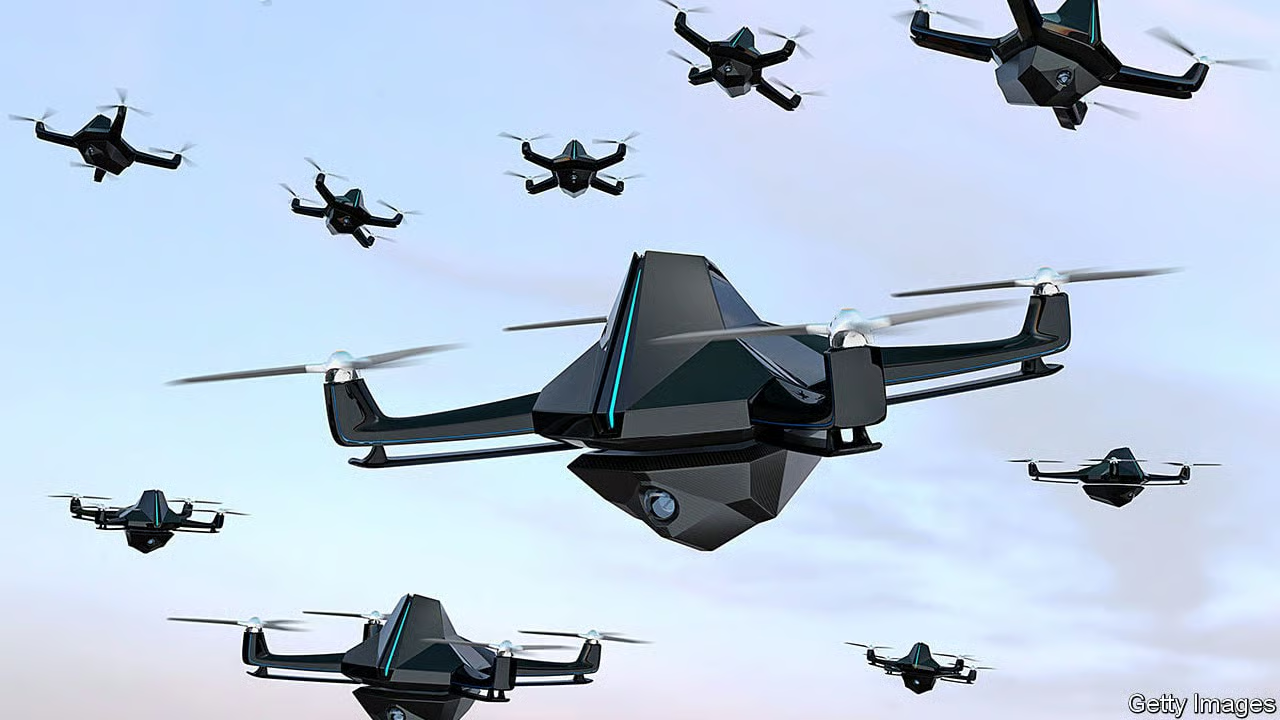
Some autonomous systems are also linked to the use of force. In these cases, AI can assist with identifying and tracking objects, while humans decide on engagement criteria and authorise strikes. The helper text already underlines that AI is a decision tool rather than an independent commander. In such arrangements, humans set objectives, rules, and constraints; AI compresses the time needed to understand options, and machines execute the tasks assigned to them.
Human machine teaming captures the interaction between human judgement and machine capability. Rather than imagining a clean handover from human to machine, this concept assumes that each will focus on what it does best. Humans provide strategic direction, value judgements, and interpretation. AI handles data processing, pattern recognition, and the management of complex, time sensitive tasks. Autonomous platforms then carry out specific roles under supervision, either individually or in coordinated groups.
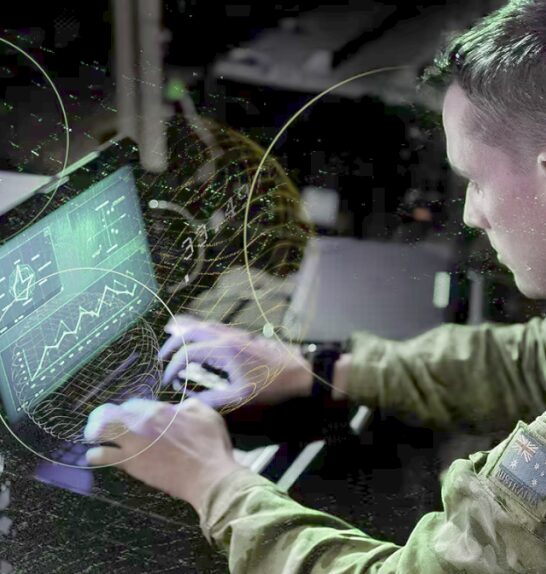
Militaries are therefore less interested in unconstrained autonomy than in scalable and controllable autonomy. They seek systems that can continue to function when communications are degraded, that behave predictably enough to be integrated into existing command structures, and that can be fielded in sufficient numbers to change the balance between mass and quality. This shapes how AI is being built into armed forces today.
Drivers of the Militarisation of AI
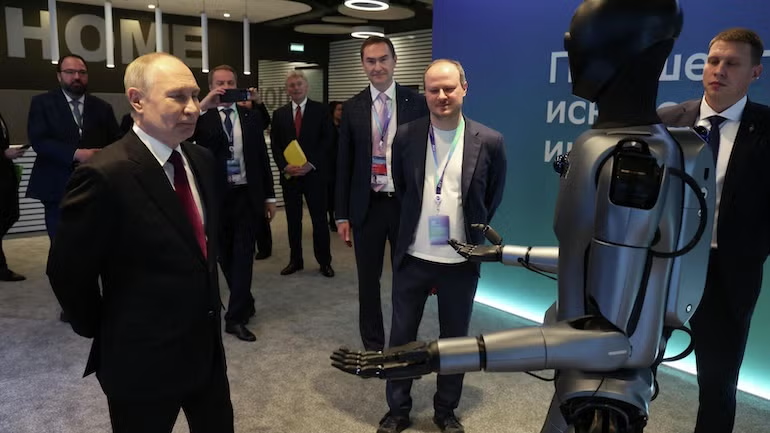
One powerful driver is strategic competition. Political leaders and senior officials in several major powers have connected AI leadership to broader international influence. A striking example came in 2017, when the Russian president stated that whoever leads in AI would “rule the world.” Since then, the largest military powers have accelerated efforts to develop and deploy military AI capabilities.
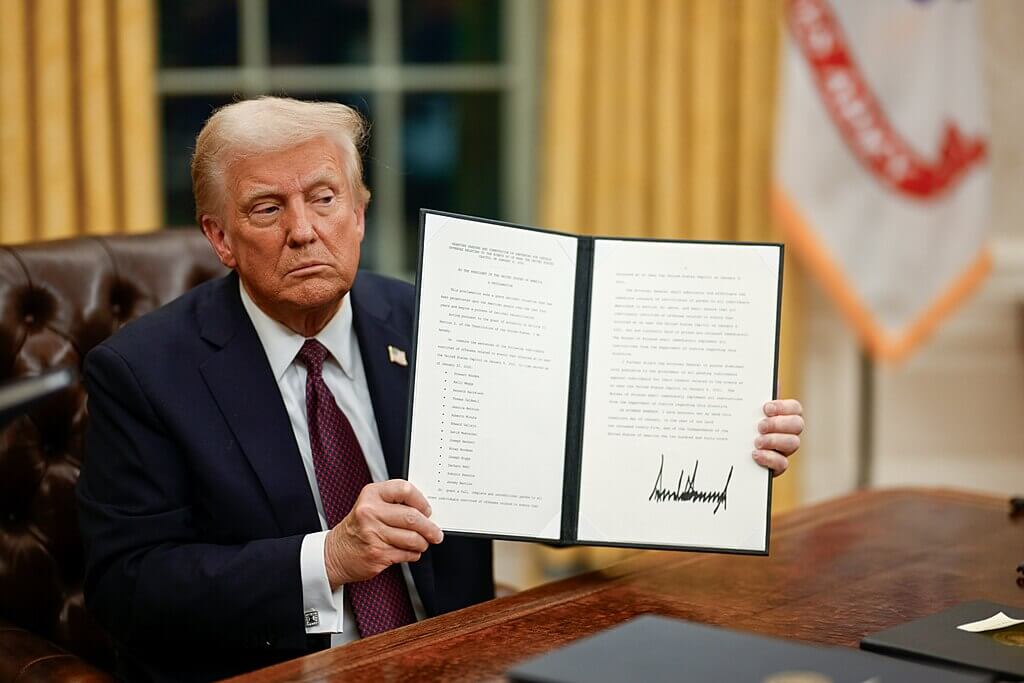
The United States treats AI as central to maintaining its military edge. National defence strategies describe AI as essential to modernising operations and achieving an advantage in decision making. Funding figures illustrate this priority. Defence innovation budgets reached around thirty four billion dollars in 2022. Unclassified AI investments rose from just over six hundred million dollars in 2016 to about 1.8 billion dollars by 2024. More than six hundred eighty five AI related projects now span intelligence, surveillance, logistics, cyber operations, and autonomous systems. Specialised offices have been created to integrate AI across the defence enterprise, while research agencies continue to pursue ambitious applications such as autonomous air combat. Existing systems, including long endurance drones, unmanned surface vessels, and large scale data analysis programmes, already rely on AI in practice.
China is widely seen as the primary competitor in this field. Although its defence budget is less transparent, some analyses suggest actual spending could be forty to ninety percent higher than official figures, representing between three hundred thirty and four hundred fifty billion dollars in 2024. A national plan published in 2017 identifies AI as a strategic priority. The armed forces invest in autonomous vehicles, swarming technologies, and AI enabled sensing. These efforts support a broader ambition to build a “world class” military by the middle of the century. Progress in fields such as language processing, facial recognition, and large scale surveillance feeds directly into defence applications and provides a substantial base of expertise and data.
Russia lags behind the other two in resources, but it is attempting to close the gap. National and military AI strategies set goals that include the automation of thirty percent of military equipment by 2025. The war in Ukraine has reinforced its focus on AI enabled targeting, unmanned systems, and electronic warfare. The full effectiveness of these efforts is difficult to judge from open sources, both because of battlefield uncertainty and because key programmes are kept secret, but the direction of travel is clear.
Underlying these national strategies are shared military incentives. AI promises faster perception and decision, which is attractive in high tempo conflicts where minutes or seconds can matter. It promises mass, since autonomous systems can be cheaper and more expendable than crewed platforms. It promises reduced exposure of personnel, since machines can undertake dangerous tasks such as clearing obstacles or operating in heavily contested airspace. It promises greater endurance, because machines do not tire in the way humans do.
Beyond the front line, AI can also change how militaries prepare for war. It can optimise supply chains, identify bottlenecks in maintenance, and manage inventories more efficiently. It can support more automated production, making it easier to surge the manufacture of platforms or munitions. It can accelerate research and development by helping design new systems and technologies, exploring more design options in a shorter time than human engineers alone could manage.
Together, strategic competition and these practical incentives explain why so many states view AI as a force multiplier for their armed forces.
Operational Transformation Across Warfighting Domains
One powerful driver is strategic competition. Political leaders and senior officials in several major powers have connected AI leadership to broader international influence. A striking example came in 2017, when the Russian president stated that whoever leads in AI would “rule the world.” Since then, the largest military powers have accelerated efforts to develop and deploy military AI capabilities.
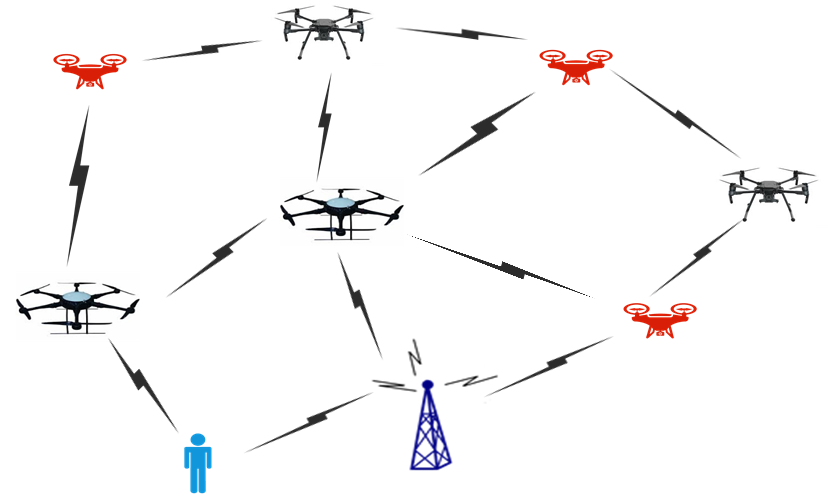
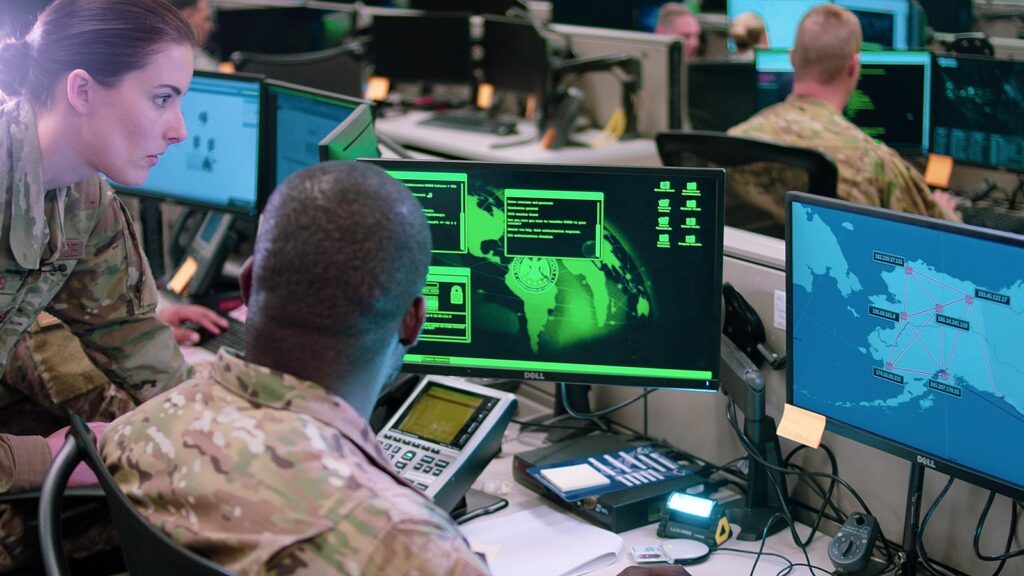
AI alters how information is collected and used. Sensors on drones, aircraft, ships, and satellites, combined with dense communications networks, produce torrents of data in modern conflicts. Humans cannot watch every video feed or read every intercept as it arrives. AI tools can filter and prioritise this information. They can flag likely targets, piece together activity across different sensors, and generate a more coherent picture of the battlefield. This helps turn “data overload” into usable situational awareness, supporting earlier warning and more accurate targeting.
AI can help manage complex operations. Coordinating large numbers of units, especially when many of them are autonomous platforms, poses real challenges. Airspace may be crowded with drones of different sizes and speeds. Ground units may need to manoeuvre through cluttered environments, supported by artillery and air support. AI systems can assist with deconfliction and synchronisation, making sure units do not interfere with each other and that they converge on objectives at the right time. When large autonomous formations are fielded, AI will be vital for ensuring that they move and act in a coherent way.
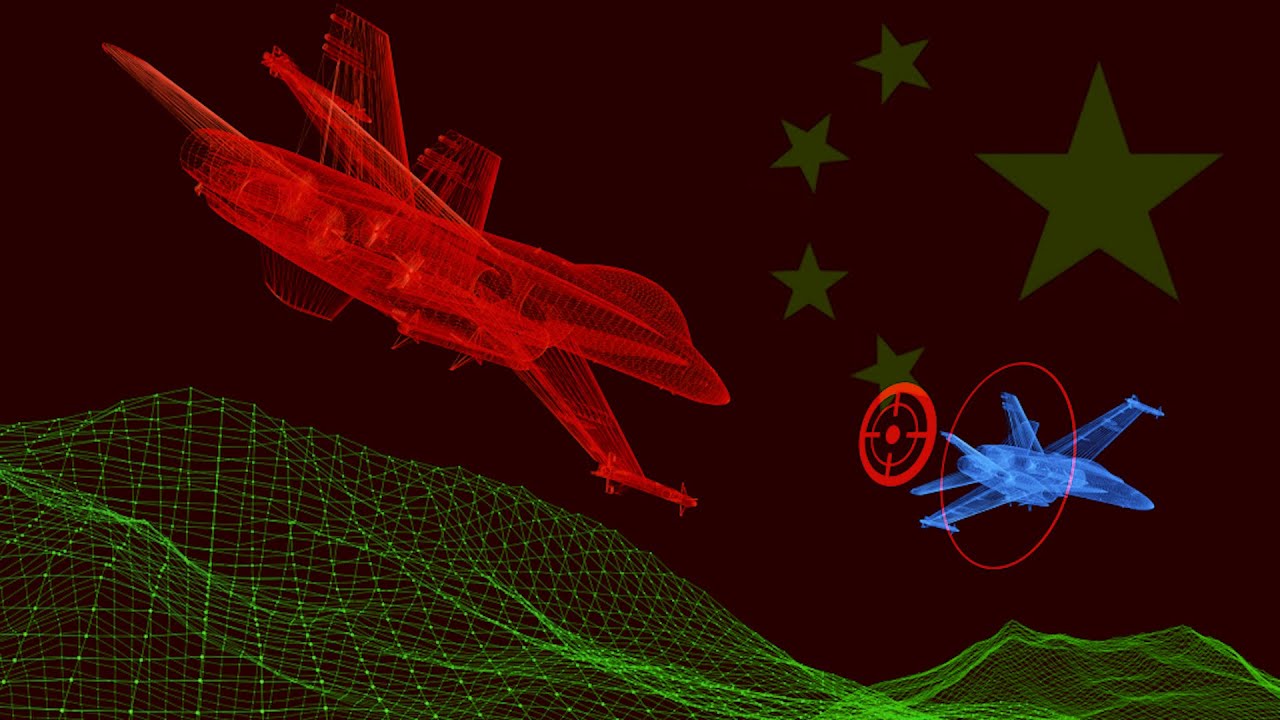
AI ties directly into targeting and strike. When AI systems analyse sensor data, they can help identify potential targets more quickly, classify them, and track them as they move. On the defensive side, AI can manage missile defences or distributed fires by matching incoming threats with available interceptors or effectors. As a decision tool, AI can present commanders with options, highlight the risks associated with each course of action, and update those assessments as new information arrives. Humans remain responsible for the choices, but the time needed to understand options and issue orders can shrink.
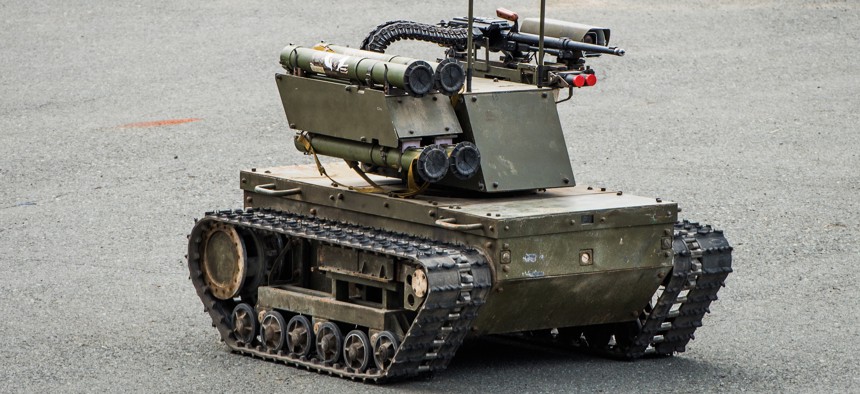
AI changes how militaries use robotics in dangerous or demanding tasks. Machines equipped with AI can pilot vehicles on long endurance missions, remaining on station for extended periods without fatigue. They can undertake reconnaissance in contested areas, clear obstacles, or carry supplies through zones where ambushes or long range fires are likely. This reduces the physical and psychological burden on personnel and allows forces to sustain operations that would otherwise be difficult to maintain.
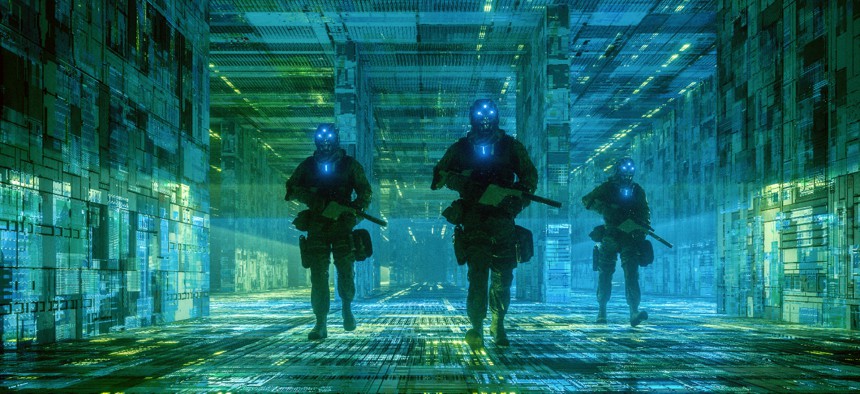
AI influences support functions that are vital for sustained warfare. In logistics, AI can anticipate demand, propose more efficient routing of convoys, and track equipment health so that maintenance happens before failures occur. In training, AI enabled simulators can present more realistic scenarios and adapt to the performance of individual soldiers or crews. In industrial settings, AI can support automated assembly lines, helping armed forces ramp up production when required.
These developments do not abolish traditional constraints. AI will not rewrite the laws of physics, or make platforms invulnerable, or eliminate the fog of war. What it can do is change the cost, speed, and scale of operations. It can make large scale sensing and coordination more feasible. It can tilt the balance toward mass by making swarms of autonomous systems affordable and effective. It can intensify the competition between hiding and finding, since AI can strengthen both sensing and deception. It can increase the importance of resilient networks, because command systems will rely on flows of data that cannot easily be interrupted.
Global Trends in Military AI Deployment
The global landscape of military AI is shaped by the interaction of the major powers and the responses of other states.
The United States, China, and Russia all treat AI as a strategic enabler. They invest in research, defence innovation, and the integration of AI into existing platforms. They experiment with autonomous vehicles, swarming concepts, and AI enhanced intelligence and targeting. In each case, AI is framed as a way to improve command and control, strengthen intelligence, speed up decision making, and expand the role of unmanned and autonomous systems.
Their efforts also influence others. As AI becomes a central topic in defence discussions, middle and smaller powers observe these developments and consider how to adapt. Some acquire AI enabled systems from exporters. Others seek to develop their own capabilities, often by drawing on domestic civilian tech sectors. Regional organisations pay increasing attention to AI in defence, funding projects and fostering cooperation among members.
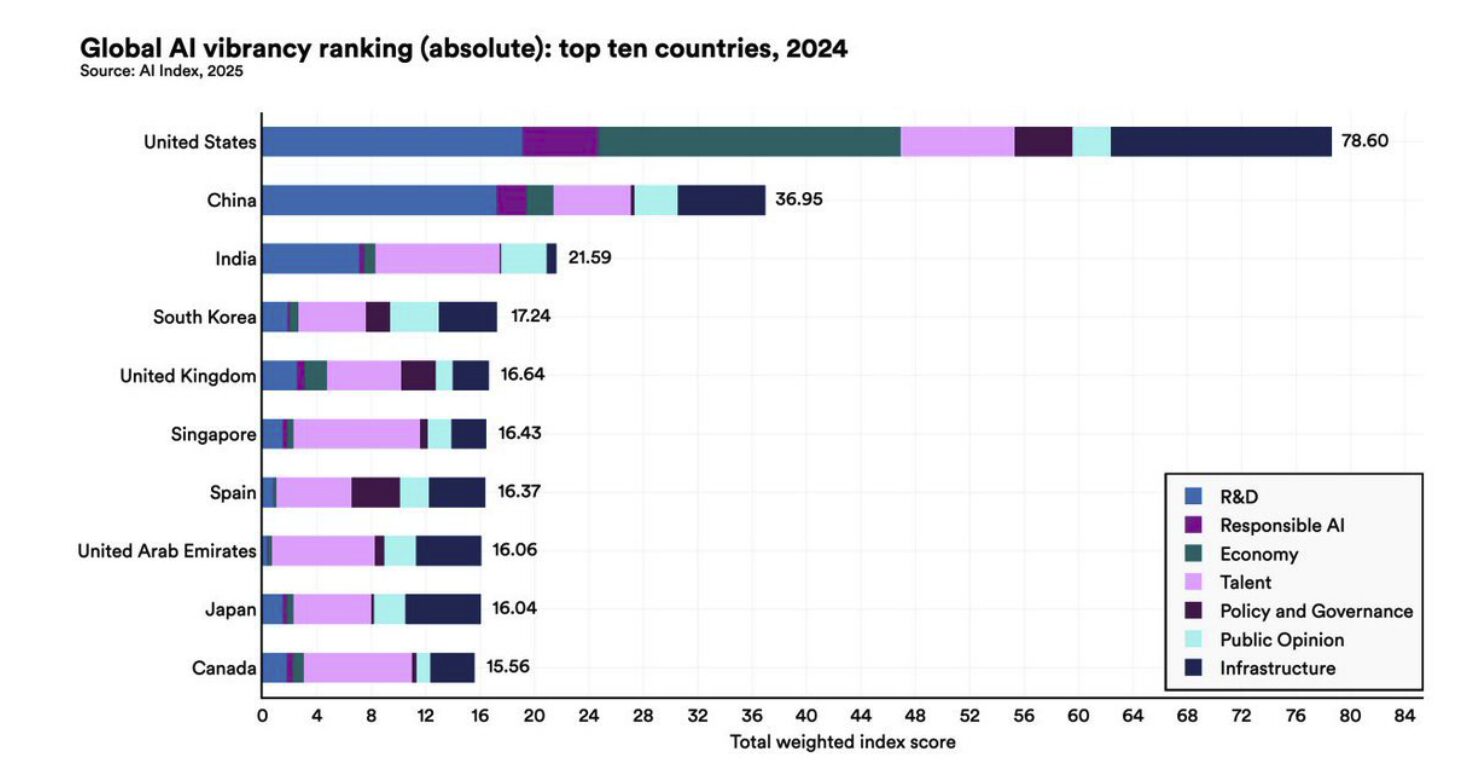
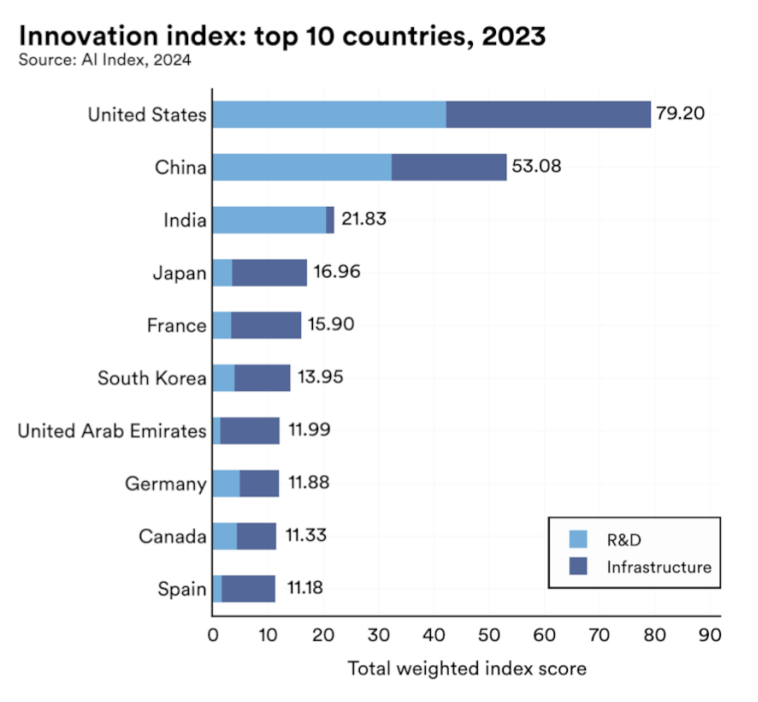
At the industrial level, AI blurs the boundary between civilian and military technology. Many of the most capable AI models, data centres, and software tools originate in the commercial sector. Defence ministries and armed forces must therefore find ways to work with private companies and research institutions, ensuring access to talent, infrastructure, and innovation. This can reshape defence industrial bases, encouraging new partnerships and changing procurement practices.
Across all of these trends, a common vision emerges. AI is not seen as a separate “AI military,” but as a layer that will sit across existing forces and systems. It will run in command posts and operations centres, in logistics hubs and factories, inside vehicles and aircraft, and across networks that connect them. The result is a gradual but far reaching transformation of how armed forces think, plan, and act.
Looking Ahead
Artificial intelligence and autonomy are already reshaping the character of armed force. They alter how information is processed, how complexity is managed, how risks are distributed between humans and machines, and how states compete for military advantage. They encourage concepts built around mass, persistence, and large numbers of autonomous systems, supported by AI enabled decision tools and logistics.
At the same time, these developments raise difficult questions. If AI compresses decision times and makes it easier to find and track targets, what happens to crisis management and escalation control. If swarms of autonomous systems become widely available, how will they affect deterrence and arms racing. If military AI depends on dense data flows and complex software, what new vulnerabilities arise.
This first factsheet has focused on concepts, drivers, and trends. The next will turn to the risks and instability mechanisms that accompany the military use of AI, and the evolving debates on governance and arms control that seek to address them.