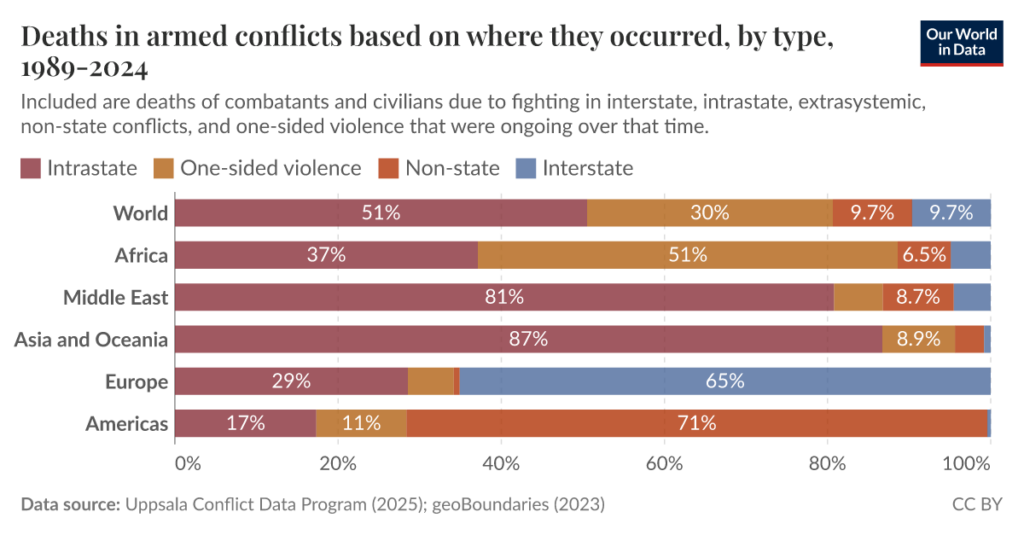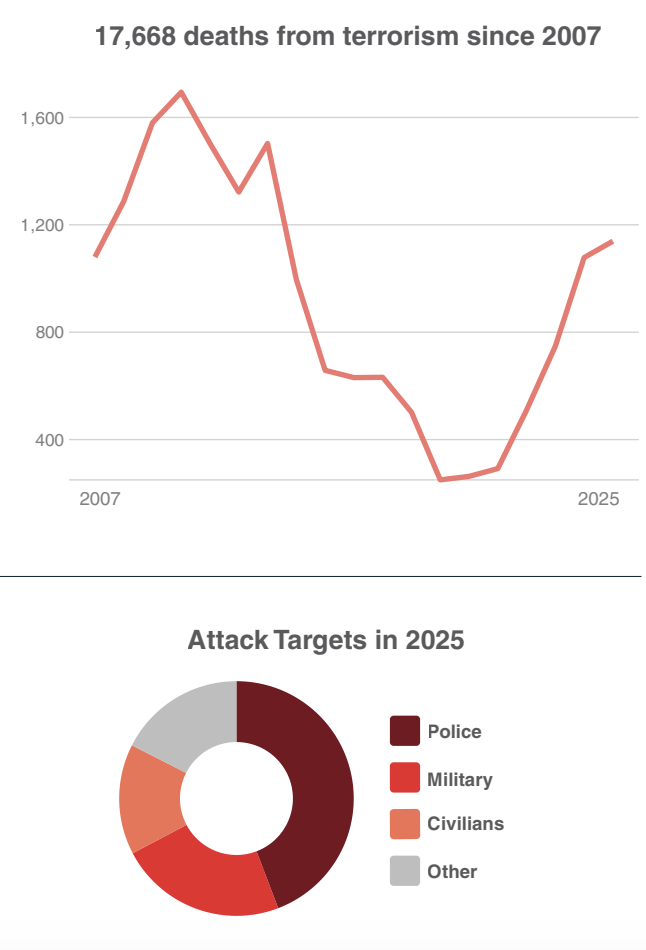
Why Classification Matters?
The classification of violence is foundational in international humanitarian law (IHL) because it determines which specific legal rules apply to a given situation. Identifying whether a situation constitutes an international armed conflict (IAC), a non-international armed conflict (NIAC), or merely a case of internal disturbance triggers a different set of rights and obligations for all parties involved. In an IAC, the full body of the Geneva Conventions applies, and captured fighters are entitled to prisoner-of-war status. In a NIAC, the more limited protections of Common Article 3 to the Geneva Conventions and, where applicable, Additional Protocol II govern. Below the threshold of armed conflict, international human rights law rather than IHL applies, and state responses are expected to conform to law enforcement norms.
Classification therefore determines whether lethal force may lawfully be used, how detainees are treated, how criminal liability is assigned, and whether humanitarian organisations may access affected populations. Each of these consequences is concrete and consequential for the people living inside a conflict.