Reviving Arms Control in a Divided World

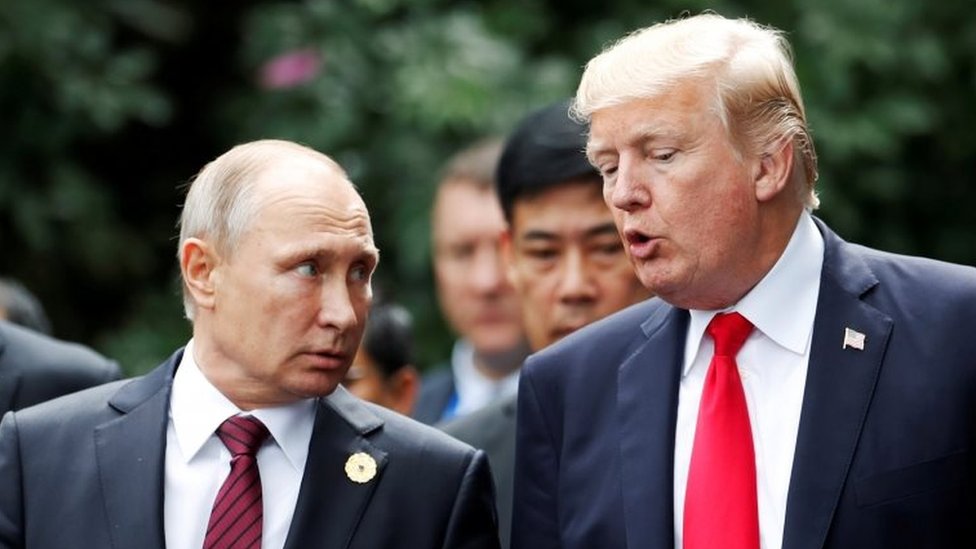
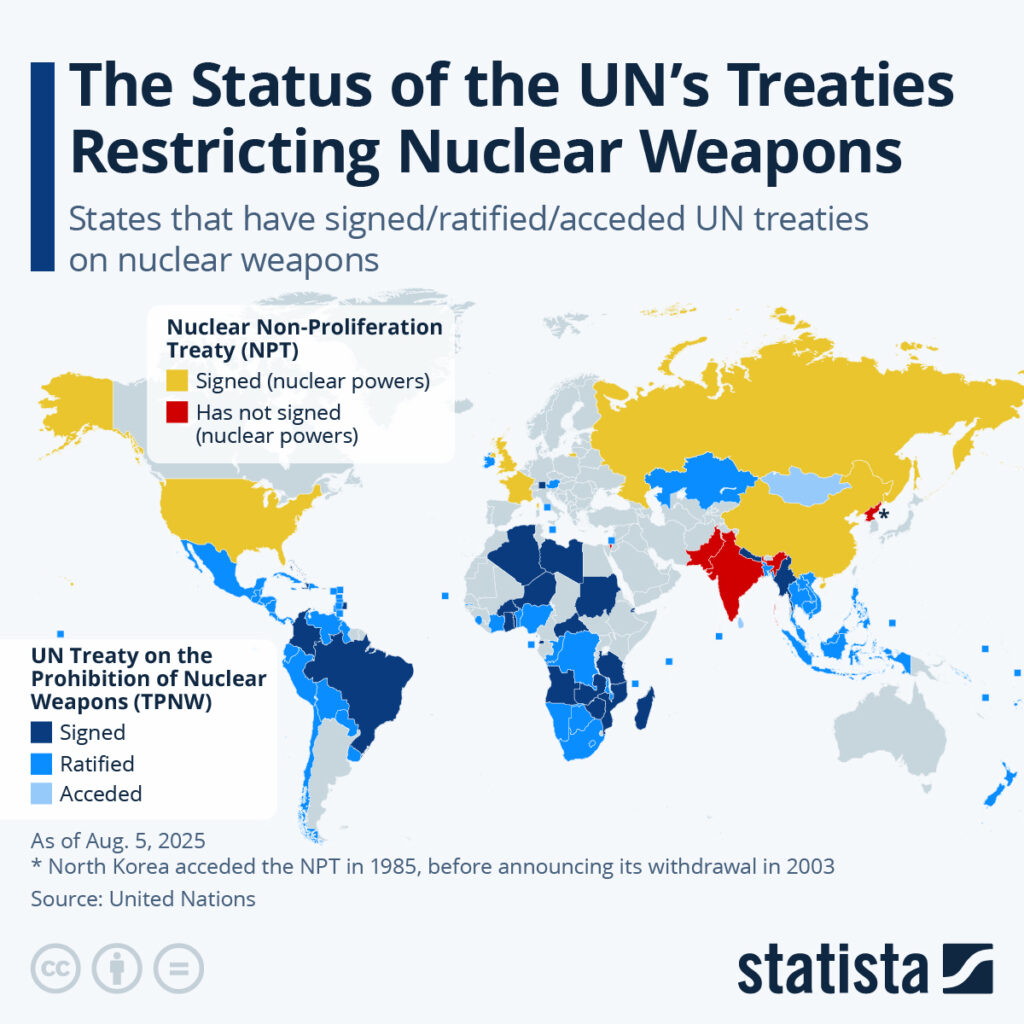
U.S. President Donald Trump’s recent statements on the resumption of nuclear testing have increased skepticism over the erosion of the near-universal norm against hot tests. Given that the U.S. has not yet ratified the Comprehensive Nuclear-Test-Ban Treaty (CTBT), remarks like this do not augur well for global security. This is primarily because Russia has already de-ratified the CTBT, signaling that it would continue to achieve parity with the U.S. Therefore, if the U.S. were to resume nuclear testing, it would create a domino effect, pushing other nuclear states, including India and Pakistan, to follow suit.

Concerns over nuclear testing are valid for a variety of reasons. First, the arms control architecture, established as a result of political foresight and will during the height of the Cold War, has all but disintegrated. Hence, nuclear testing could engender more fears and distrust. Second, testing is perceived to be useful for propelling nuclear modernization efforts. Third, Trump has been instrumental in harming arms control. The result of all of this will likely be an intensification of arms racing among great powers. In the absence of dialogue, this would increase the prospect of inadvertent and accidental escalation and, by extension, nuclear use.

Laying emphasis on the erosion of arms control measures and norms, including that of non-testing, is important because both constructs help create a semblance of arms race stability, or the absence of incentives to build up one’s forces. Arms control builds confidence and reduces misperceptions among adversaries, augmenting both deterrence and security. While it cannot be a substitute for disarmament, it can help allay some fears in the interim. Fortunately, Ronald Reagan and Mikhail Gorbachev, leading the U.S. and USSR in the 1980s, respectively, realized all of this full well.
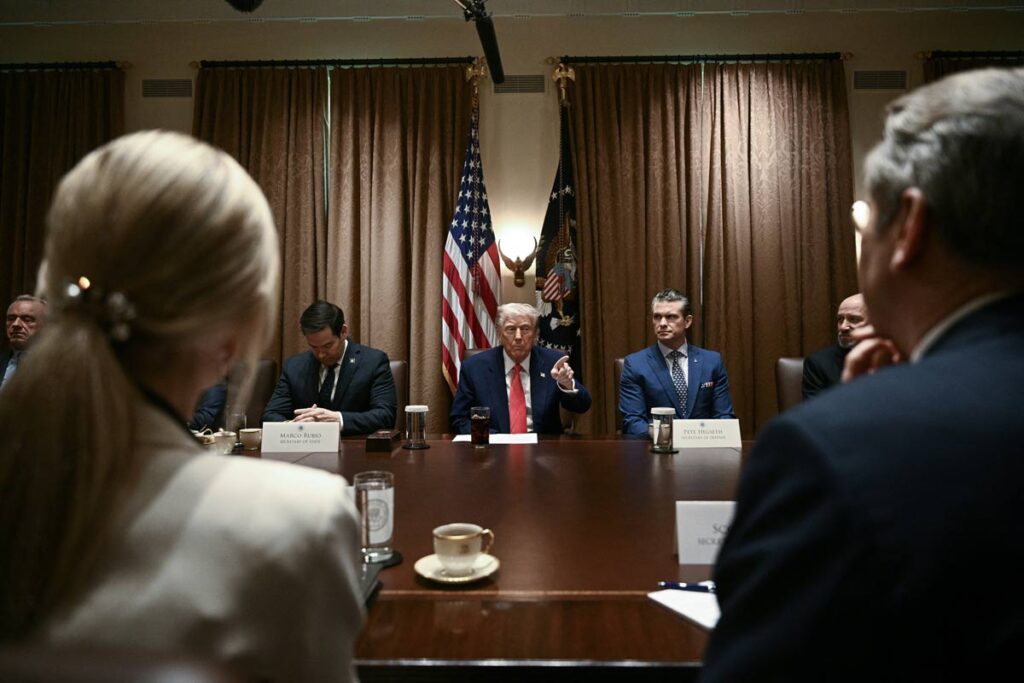
A Sledgehammer on Arms Control (2017-2021)

The efforts made toward strengthening arms control by Mikhail Gorbachev and Ronald Reagan were undone by the Trump administration. Here is an overview:

Statements against arms control were followed by internal debates about leaving key treaties

The administration announced to expand and modernize U.S. forces, formalized in the 2018 Nuclear Posture Review

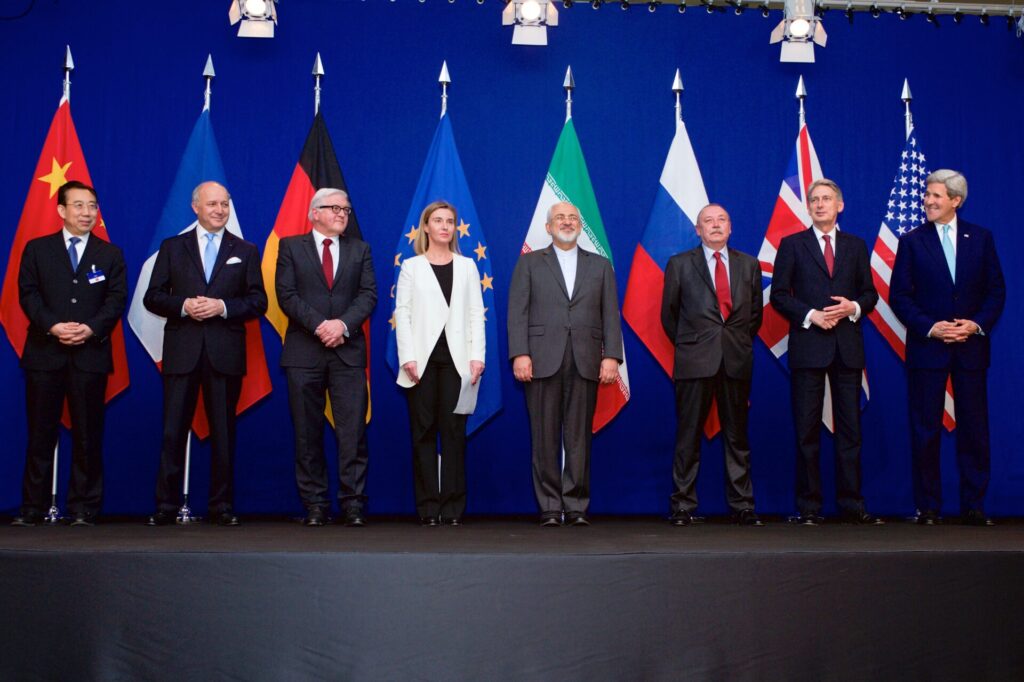
Decertification of, and withdrawal from, the JCPOA in 2017 and 2018, respectively

The INF Treaty collapses in August 2019 after Washington’s full withdrawal from it

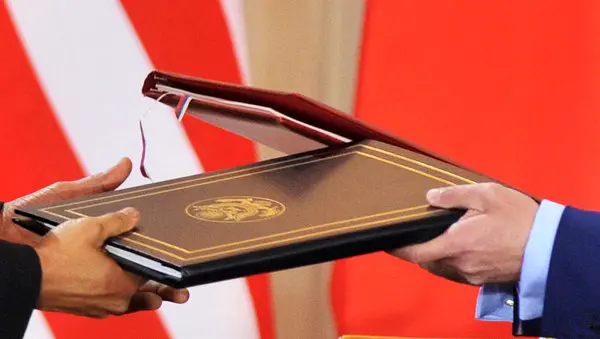
Resistance and dithering surrounding the extension of New START increase, primarily because of U.S. preconditions

The U.S. withdraws from the Open Skies Treaty in November 2020

Strategic Competition, Escalatory Behavior, and Regional Risks

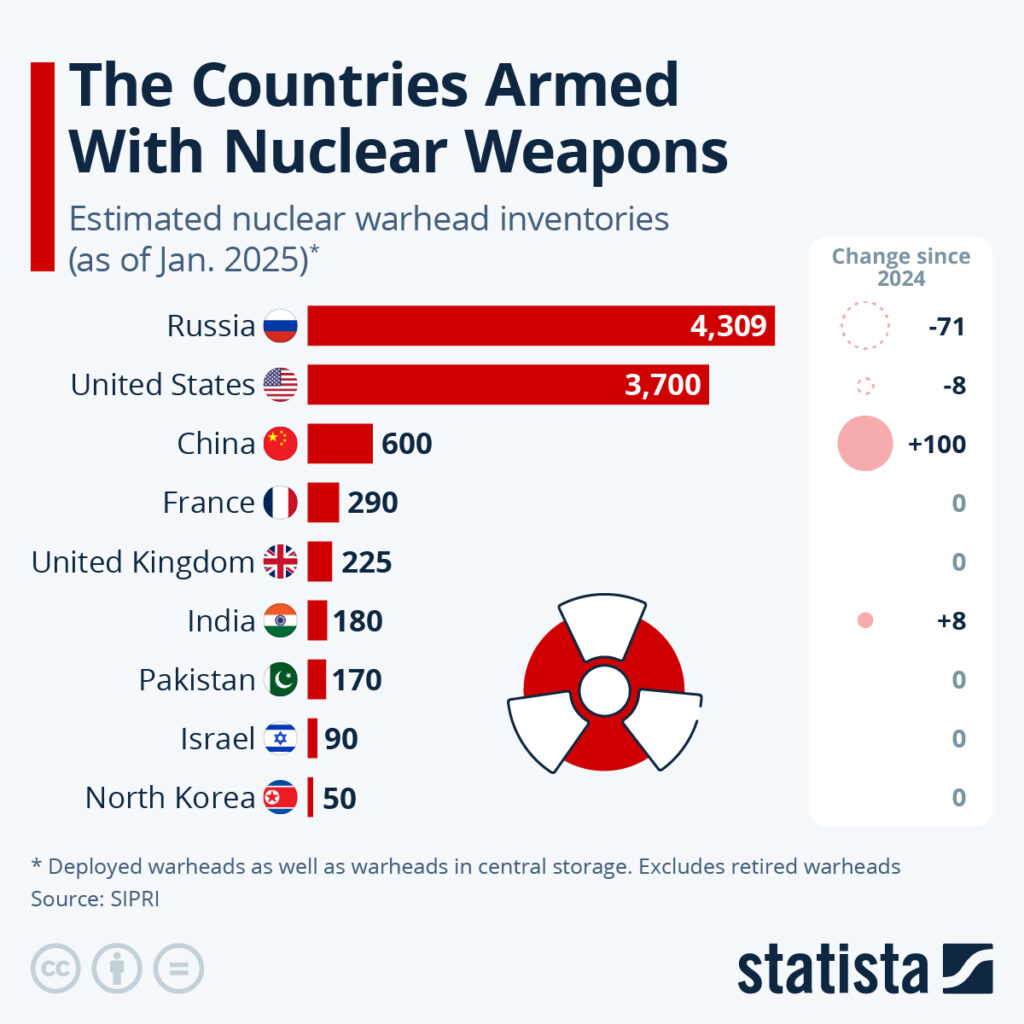
The mutual understanding that characterized the Reagan-Gorbachev era was conspicuously absent when the U.S., under the first Trump administration, walked away from many arms control arrangements and nuclear diplomacy. These included the landmark Intermediate-Range Nuclear Forces (INF) and Open Skies Treaties. More brazenly, the Trump administration unilaterally withdrew from the Joint Comprehensive Plan of Action (JCPOA), a deal signed between Iran and P5+1 countries to limit the former’s nuclear program, despite the country’s compliance with its terms. These blows to arms control were complemented by the enunciations of aggressive nuclear postures, which sought to enhance the role of nuclear weapons. The modernization of nuclear forces, not least by China, North Korea, and India, also disrupted the global nuclear order. All of this, it must be stressed, has contributed to increasing the divide between the nuclear haves and the nuclear have-nots in the Treaty on the Non-Proliferation of Nuclear Weapons’ (NPT) review process.

This already deteriorating milieu was vitiated further by risk-acceptant behaviors, typified by the proclivity to use force in nuclear environments. For example, since assuming office in 2014, India’s premier Narendra Modi has crossed major thresholds, including attacking key Pakistani cities and installations with missiles. Furthermore, the use of nuclear jingoism to create coercive effects has also increased precipitously, as evidenced by Russia’s nuclear saber-rattling in the ongoing Russia-Ukrainian war. The use of force, not diplomacy, is now increasingly seen as the preferred instrument of policy. This factor, in and of itself, militates against arms control and fuels arms racing. The Sino-U.S. deadlock over arms control emanates from a refusal to engage in meaningful diplomacy, creating more distrust and mistrust. While the U.S. believes that China’s rapid nuclear modernization, nuclear doctrine, and lack of transparency are repugnant to strategic stability, China sees arms control as part of a U.S. plan to contain the country. So far, no substantive effort has been made to assure and reassure each other.

The evolving nuclear landscape on the Korean Peninsula also speaks to the deleterious effects of ignoring arms control. Rather than treat nuclear North Korea as an arms control problem, the U.S. has insisted on the complete, verifiable, and irreversible dismantlement. This made the reclusive regime of Kim Jong Un more committed to buttressing its nuclear weapons program, which now holds the U.S. and its allies hostage.

India and Pakistan, countries that exchanged missiles earlier this year, have no bilateral arms control mechanisms. More worryingly, the future is far less promising.

Technology, Arms Racing, and Emerging Domains of Instability

The confluence of deteriorating diplomatic relations and the absence of bilateral controls suggests that the occurrences of nuclear-tinged crises will become likelier. To prepare for winning those crises, dyads will engage in intense arms racing. The upending of arms control means that there would be no guardrails per se.

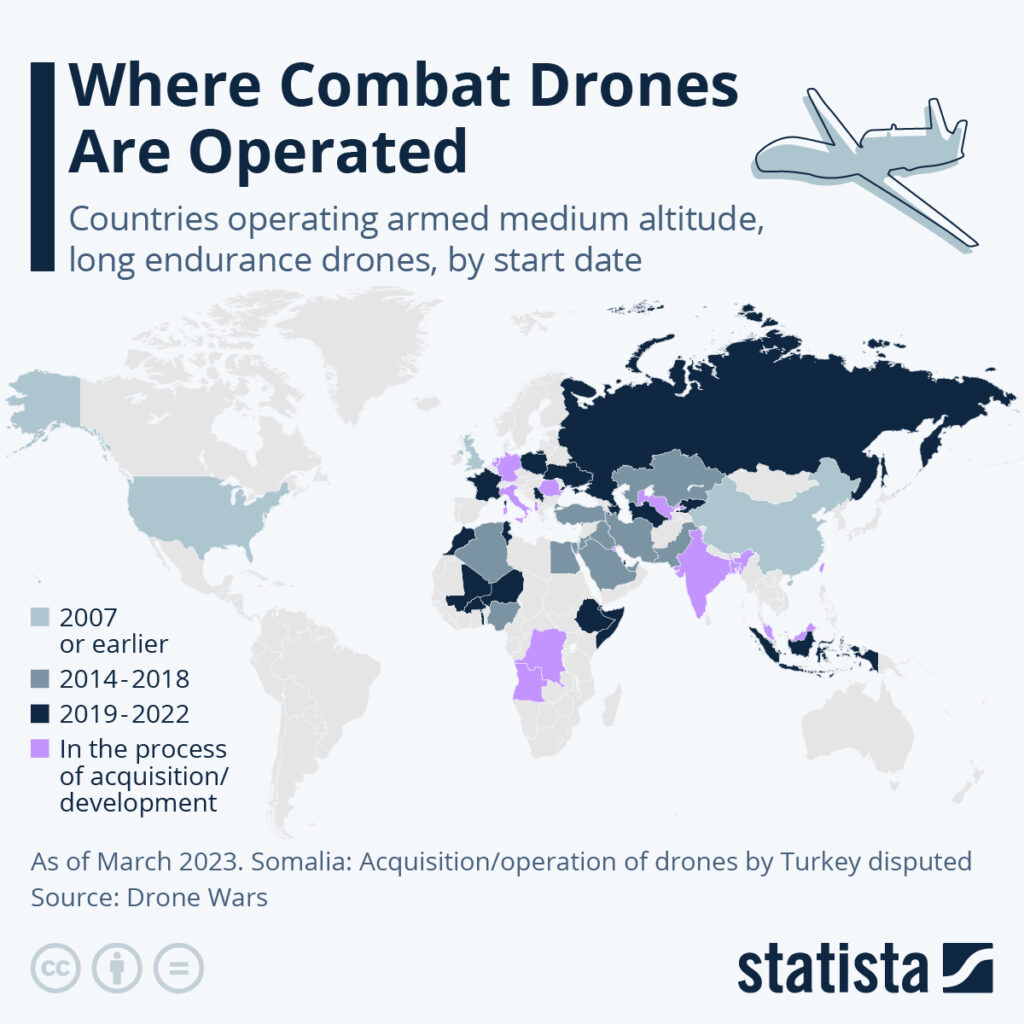
As the crises involving Israel, Iran, India, and Pakistan have demonstrated, missiles and their defenses matter, not to mention drones and advanced fighter jets. At a time when diplomacy has been supplanted by the use of force, weaknesses in ballistic missiles or their defenses will more likely be addressed by increasing their quantities.

Such additions will constitute an attempt to escape mutual assured destruction, which is undergirded by mutual vulnerability. This would create strategic anxieties, leading to first strike instability and preemption. This, coupled with emerging and disruptive technologies thickening the fog of war, would make arms racing a necessity.

https://www.statista.com/chart/20005/total-forecast-purchases-of-weaponized-military-drones/
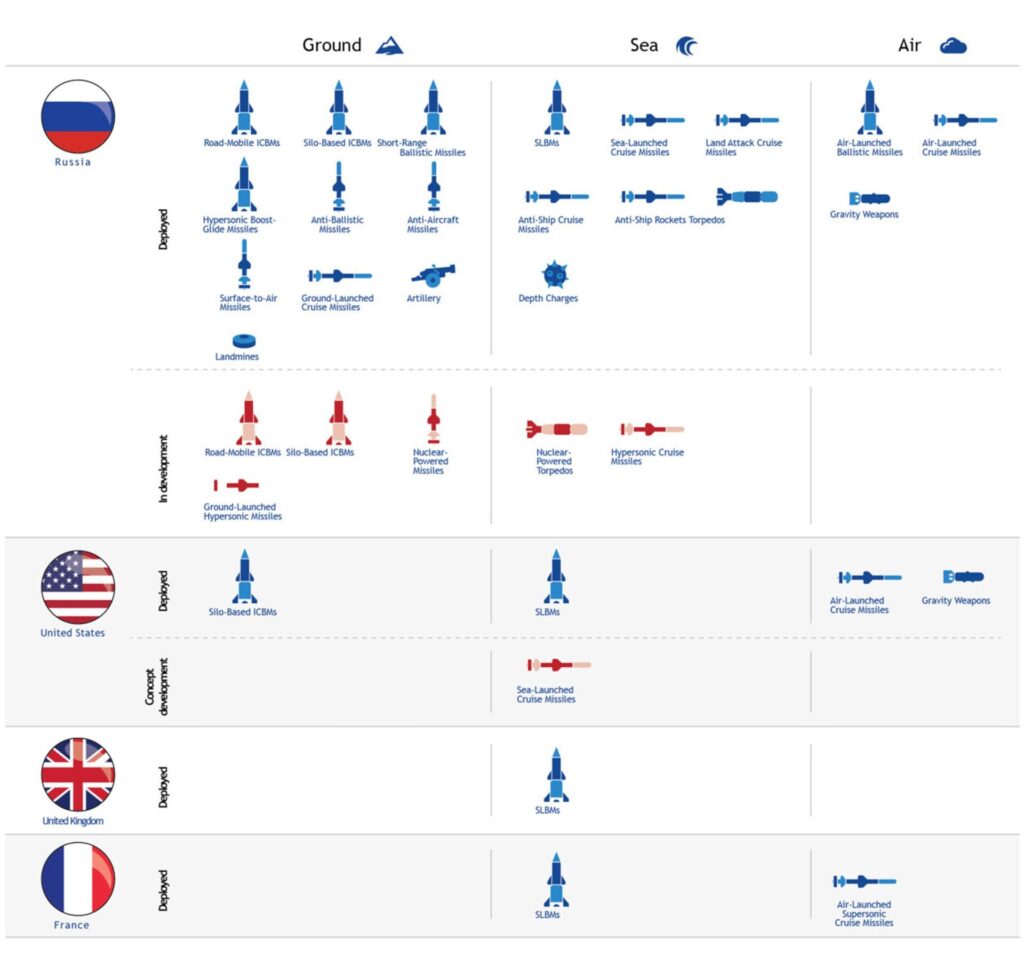
Comparing SNNWs Source: https://nipp.org/information_series/mark-b-schneider-macrons-european-union-nuclear-deterrence-initiative-and-extended-nuclear-deterrence-no-592-july-10-2024/

Similarly, the advent of Strategic Non-Nuclear Weapons (SNNWs) will shape the contours of the new arms control. States will show an increasing level of interest in acquiring conventional weapons that could create strategic effects while not crossing the nuclear Rubicon. Hypersonic glide vehicles and anti-satellite weapons are systems that, when employed, can achieve strategic effects without any nuclear detonation. Resultantly, the all-important space domain will become congested, contested, militarized, and weaponized. Electronic warfare (EW) and lethal cyber capabilities will also be able to generate strategic effects, increasing their strategic need.

Artificial intelligence (AI) and autonomous weapons have wide-ranging military applications, compressing decision-making times. The race to leverage the military dimensions of these advancements has already begun; it will only intensify going forward.

All in all, states will seek to obviate their leverage deficits through information-age weapons that create threats that leave something to chance.

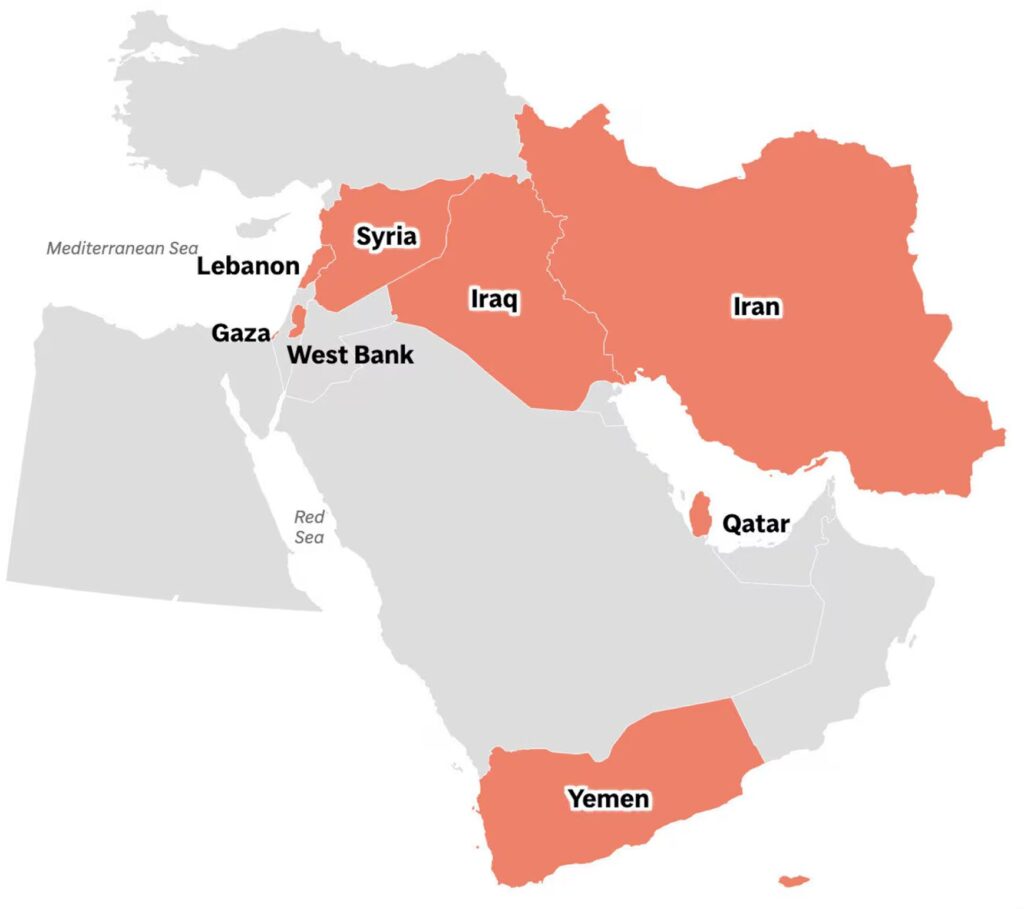
Beyond these technological challenges, the situation in the Middle East is also a cause of great concern, especially apropos of arms racing. The NPT review process has been undermined by lackluster progress on the establishment of a Weapons of Mass Destruction-Free Zone in the Middle East. Deadlock over it is caused by Washington’s refusal to renounce support for Tel Aviv’s nuclear weapons program. Tensions surrounding this gridlock have increased after both allies illegally launched attacks on Iran’s nuclear facilities, which were under the Safeguards of the International Atomic Energy Agency (IAEA). To ensure that its sovereignty is not violated again, Iran may be compelled to weaponize its nuclear program. This would open the door to horizontal proliferation in the Middle East.

Reviving Arms Control: Diplomatic Obligations and the Path Forward

To avert such a catastrophic scenario, nuclear diplomacy must be given another chance. Voices that call for taking unilateral, regime-threatening actions must be sidelined. Additionally, all nuclear-armed states, especially the U.S., China, and Russia, must take substantive steps toward resuscitating arms control and nuclear risk reduction measures. Absent that, strategic stability, however one may like to define it, will continue to erode. The Nuclear Responsibilities Approach, with its focus on empathetic communication and dialogue, could be adopted as part of this endeavor. The military applications of AI must also be regulated. If left unregulated, arms racing would accelerate, and so would the risks of miscalculations during crises, increasing the likelihood of escalation to the nuclear level.

China and the U.S. must see nuclear stability as a public good and enter into good-faith negotiations on arms control. If the status quo continues, its effects will permeate the India-Pakistan dyad, too. Rather than resume testing, the U.S., in tandem with China, should publicly commit to refraining from it. By doing so, both powers would contribute to bolstering the non-testing norm, giving Russia no excuse to conduct hot tests. Moreover, they could reaffirm that nuclear wars cannot be won and must never be fought. This would stigmatize nuclear weapons and their use.

These pronouncements would start the process of repairing ties between the Nuclear Weapons States (NWS) and Non-Nuclear Weapons States (NNWS) in the NPT, creating a window of opportunity to make the nuclear nonproliferation regime more effective. That said, if all of this does not pave the way for both countries to discuss their disarmament obligations under NPT’s Article VI, it will be seen as perfunctory. Therefore, both countries must assuage the fears of NNWS by signaling their readiness to fulfill their end of the bargain.

Although disarmament is a far shot, nuclear-armed states should see arms control as a deterrence-enhancement measure, not something that attenuates mutual security. For that, they need to be open to entering into constructive dialogue that could create propitious environments for meaningful actions.

Conclusion

If such steps are not taken, arms control will become a thing of the past. If that were to happen, and arms control is not resurrected, arms racing will further subvert international security. It would shorten peacetimes while emboldening actors during crises. Such an argument is logical, not least because states have shown a greater desire to evade deterrence than to strengthen it.